Make the portfolio visible
Show the breadth of QIC on the home screen while preserving core insurance actions.

QIC · WEB & MOBILE
How I connected insurance, travel, health, marketplace and everyday services—and increased engagement across the portfolio.
Explore the case ↓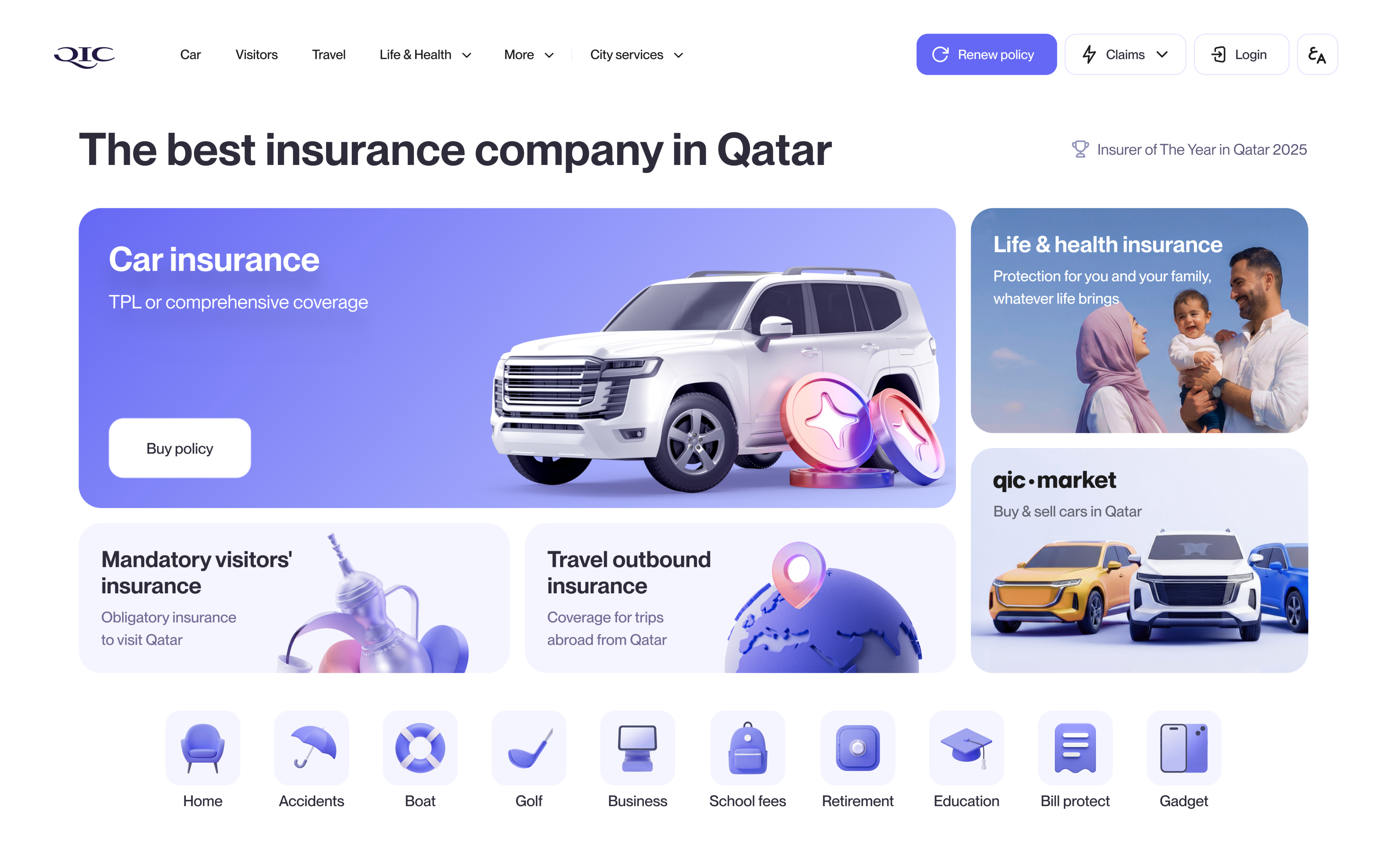
QIC is a leading insurer in Qatar and the Gulf region. But insurance is naturally low-frequency: most customers return only when they renew a policy or file a claim.
The business was expanding into travel, health, car marketplace and everyday services. These products had separate entry points, patterns and customer journeys.
THE OPPORTUNITY Turn isolated products into a self-reinforcing system where every interaction fuels another.
The strategy focused on discoverability, contextual transitions and a shared delivery system across QIC services.
Show the breadth of QIC on the home screen while preserving core insurance actions.
Place navigation, scenarios and cross-sell at moments where another service is relevant.
Use one system across app, web, embedded flows, no-code and partner products.
Existing relationships create a more efficient path into new services.
Customers return more often and use more than one vertical.
Cross-product signals improve relevance and personalization.
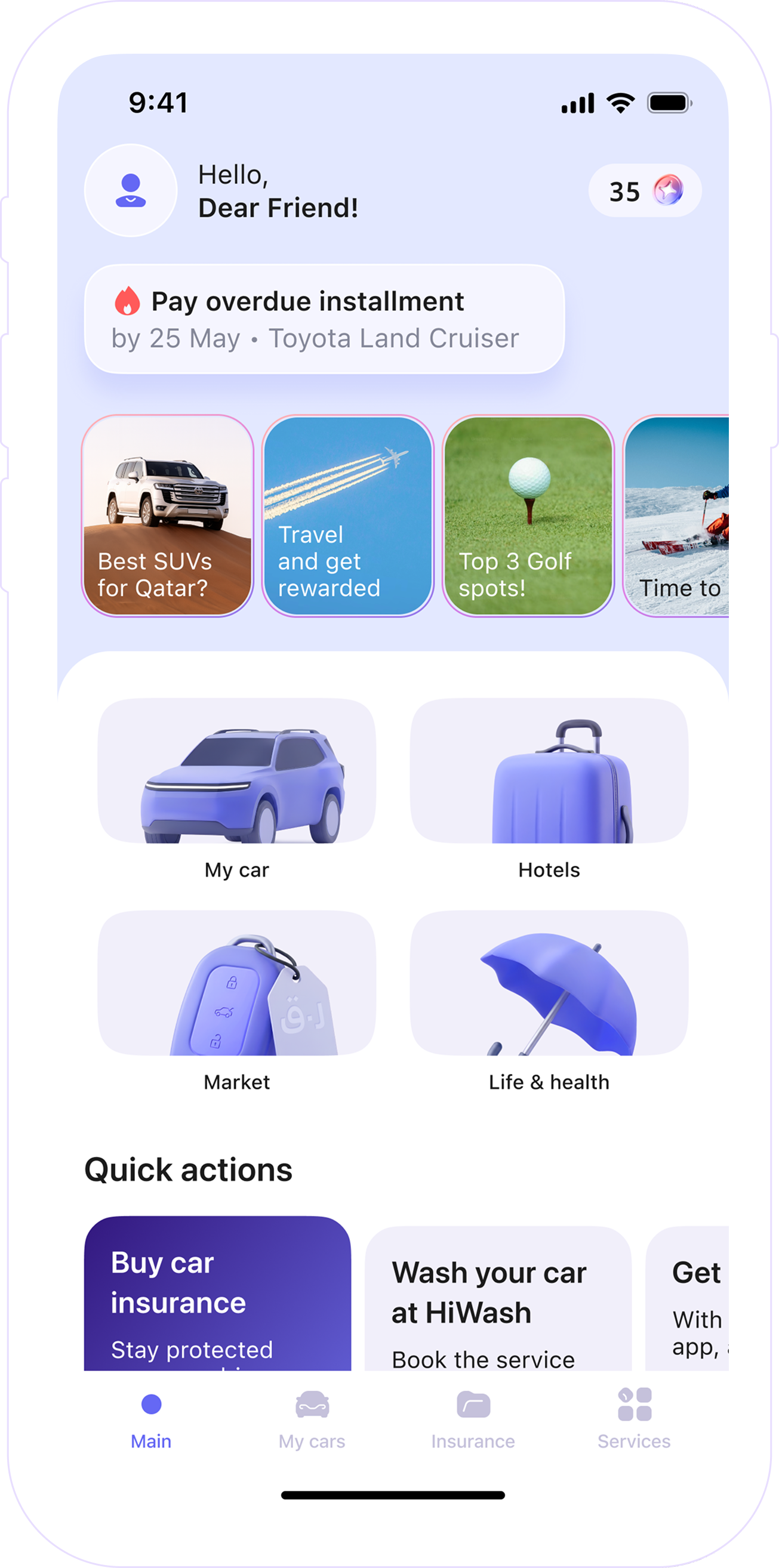
I researched alternative home-screen structures to understand how new services could become visible without weakening core insurance tasks such as renewal.
H1 Customers will find Market and Life & Health faster.
H2 The new structure will preserve the visibility of policy renewal.
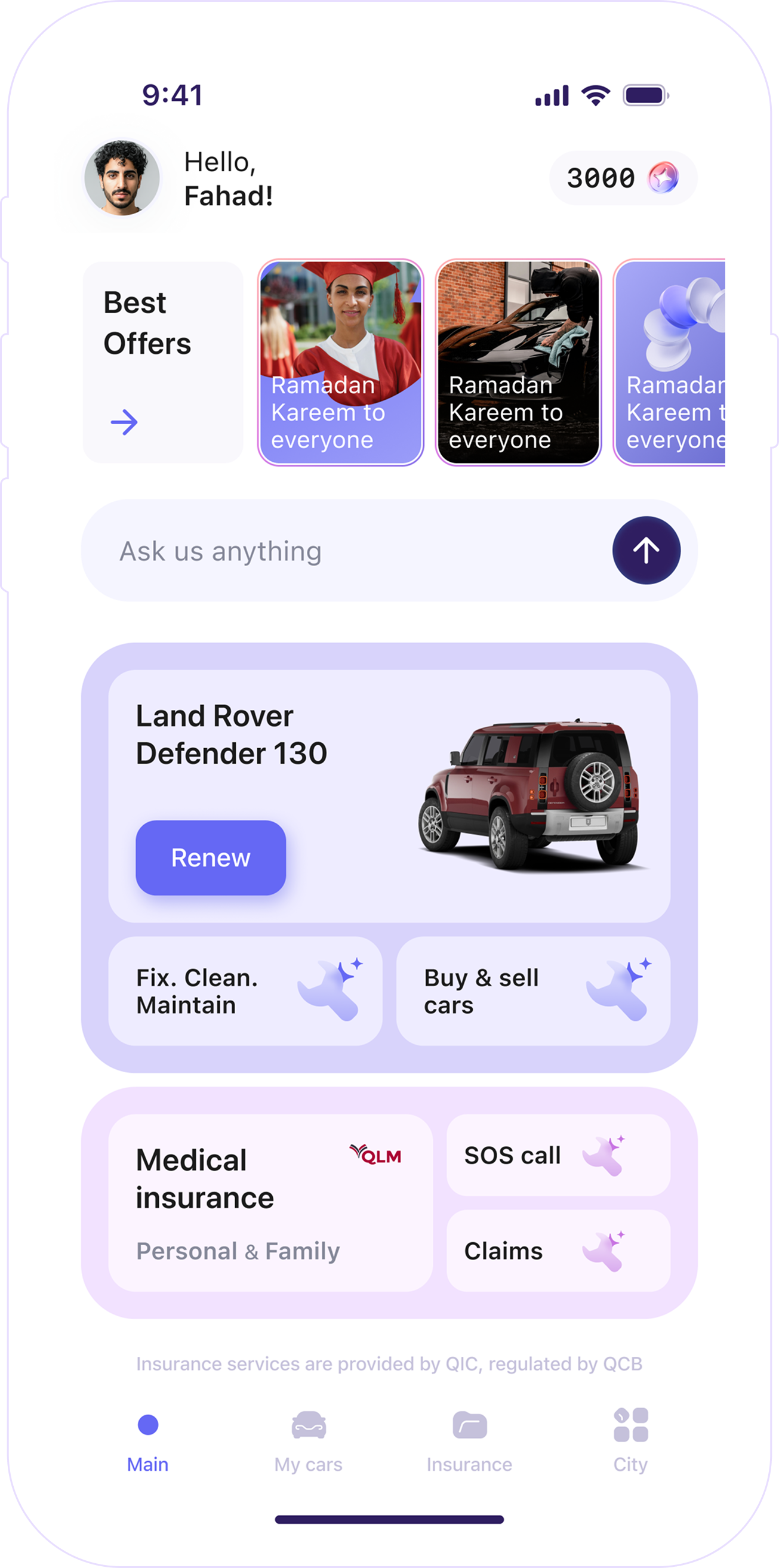
Services hidden behind a utility-first home.
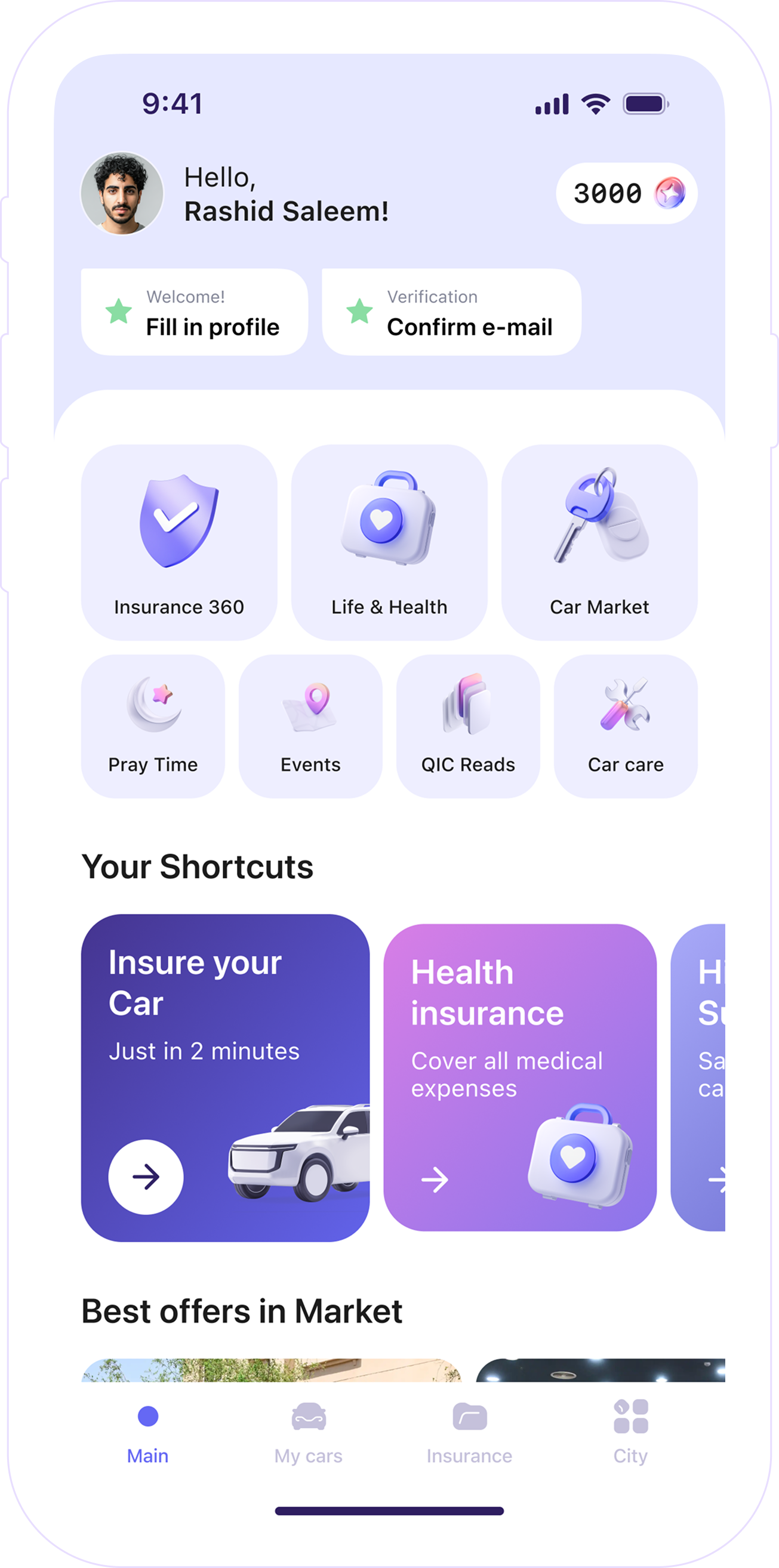
A visible portfolio with clear paths into every vertical.
Both hypotheses held. Participants found Market and Life & Health more easily, while policy renewal remained clear and easy to reach.
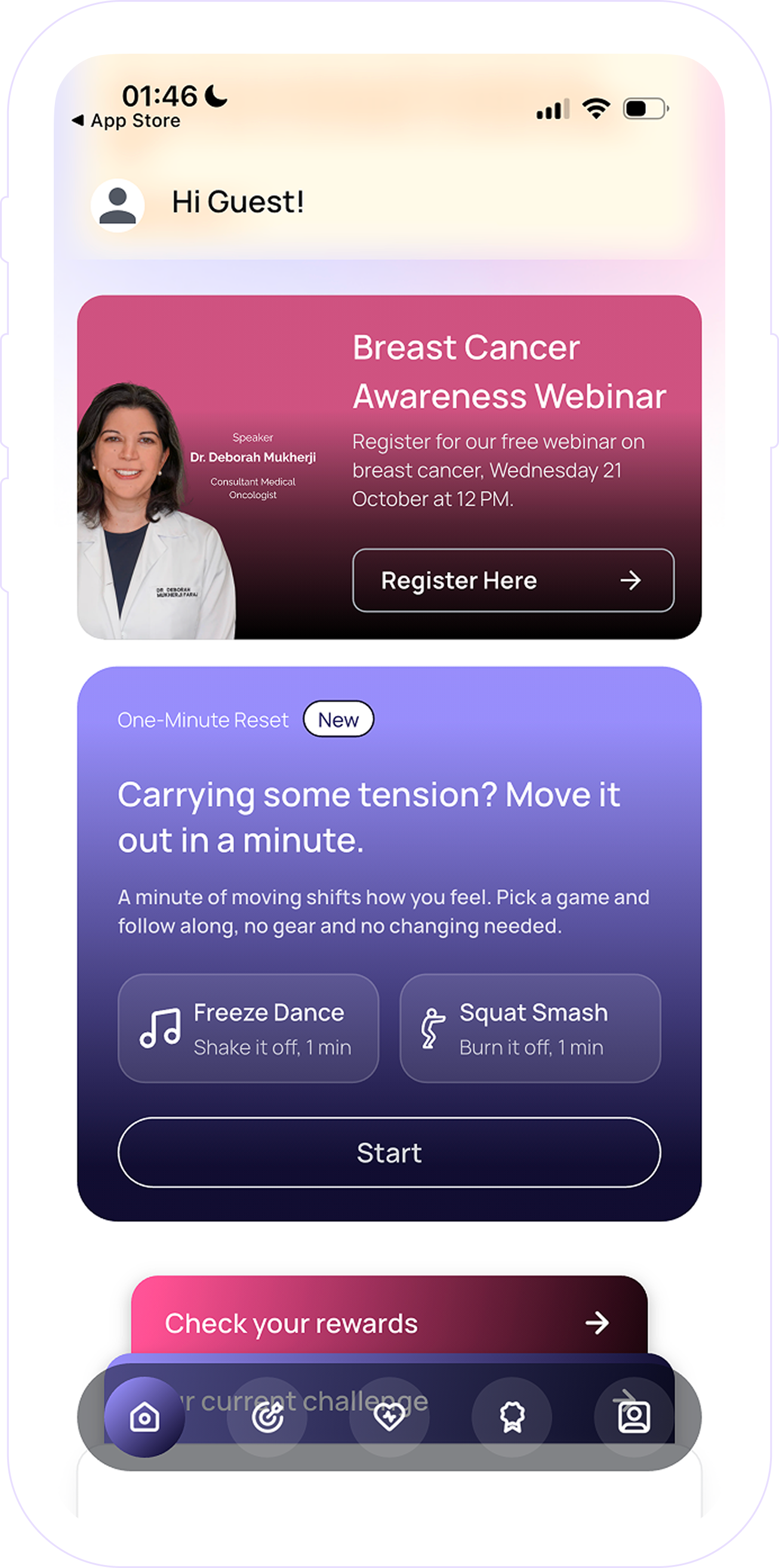
After research, I refined the experience with the brand team. Priority services are now visible from the first interaction, building awareness before the need appears.
Customers do not need to understand the portfolio structure. They can start with a real-life need and move directly to the relevant service.
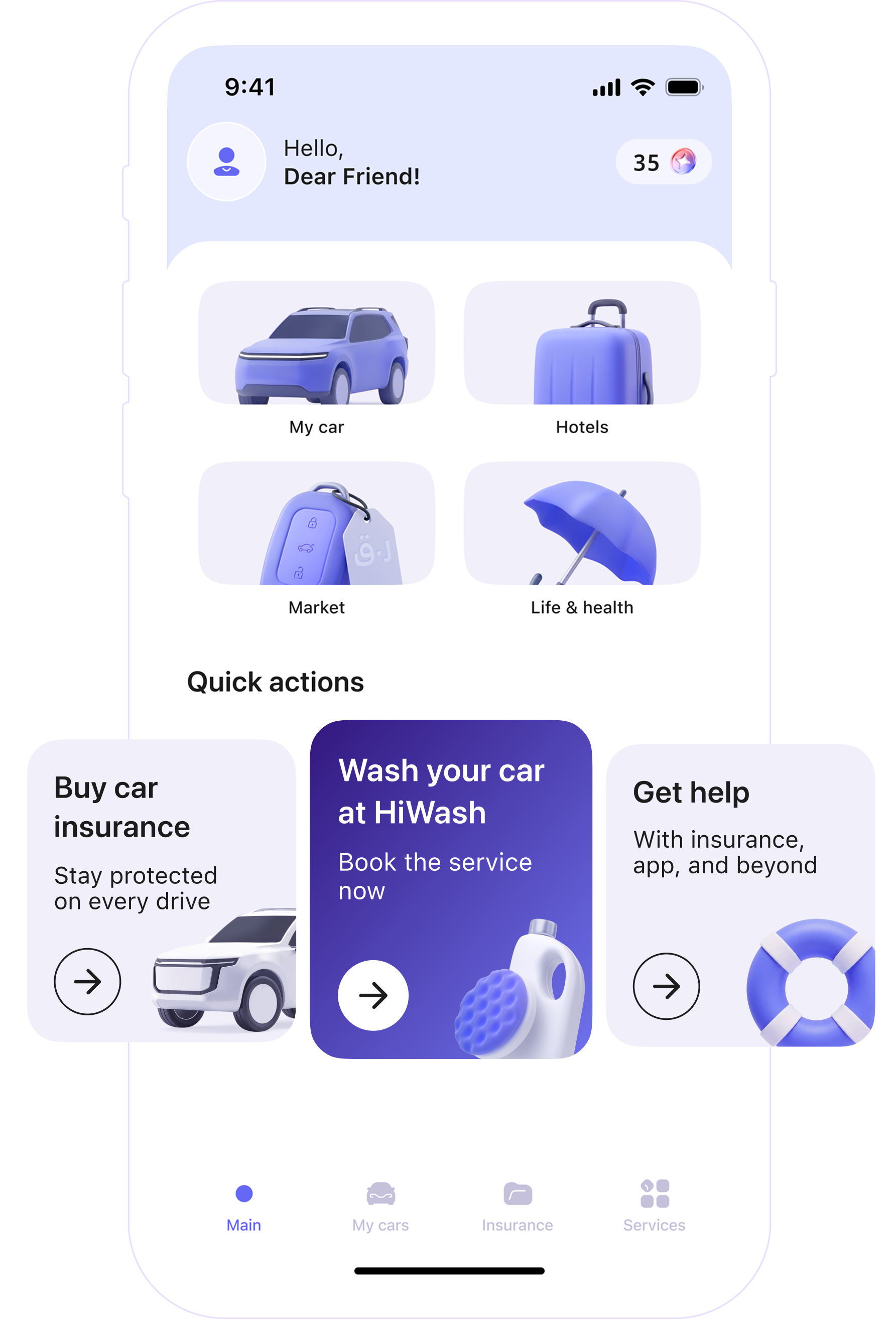
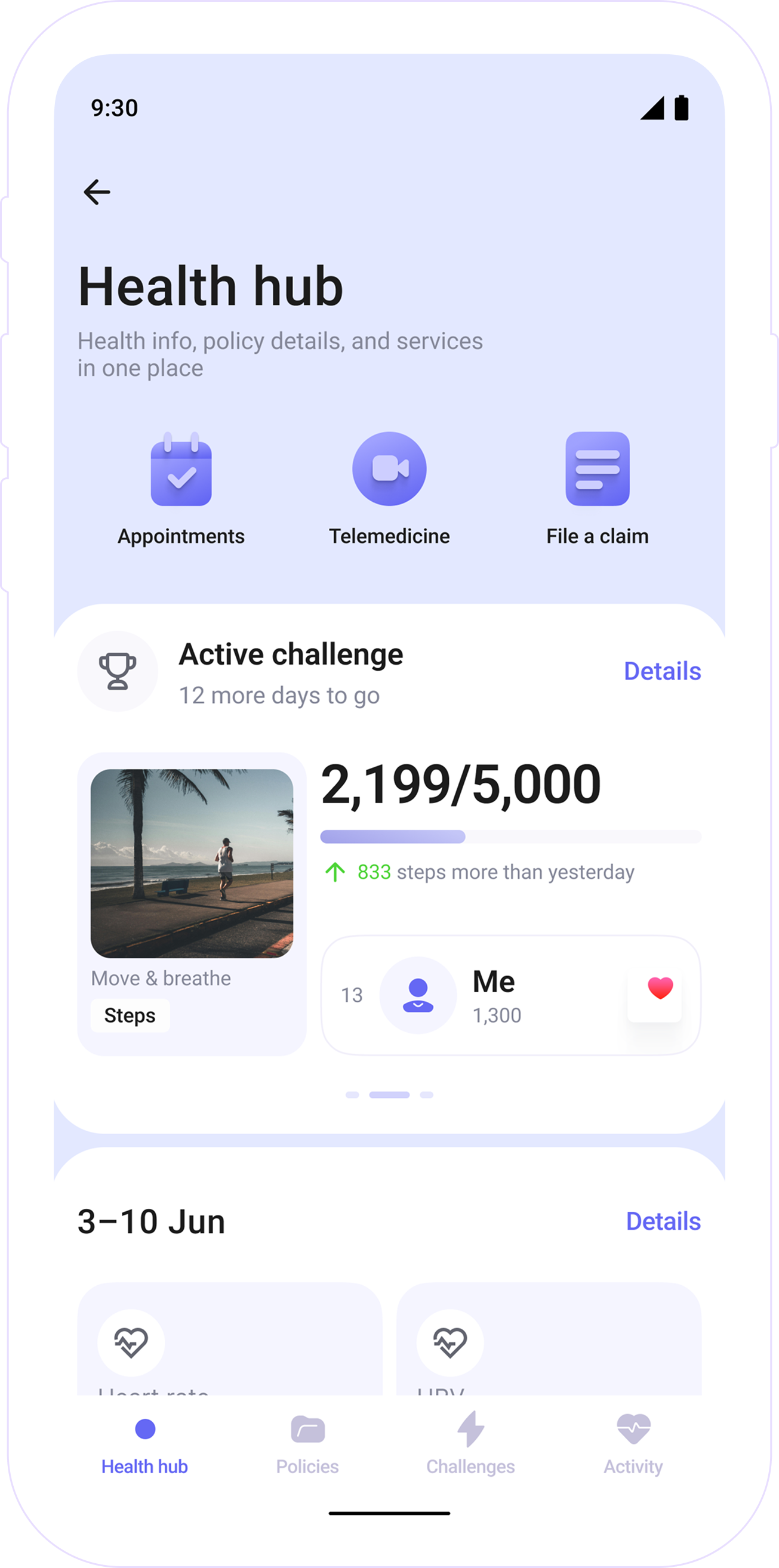
Travel, car ownership, health and everyday tasks become clear entry points into services that would otherwise remain hidden.
Cross-sell follows clear customer intent and appears after the core task is complete.
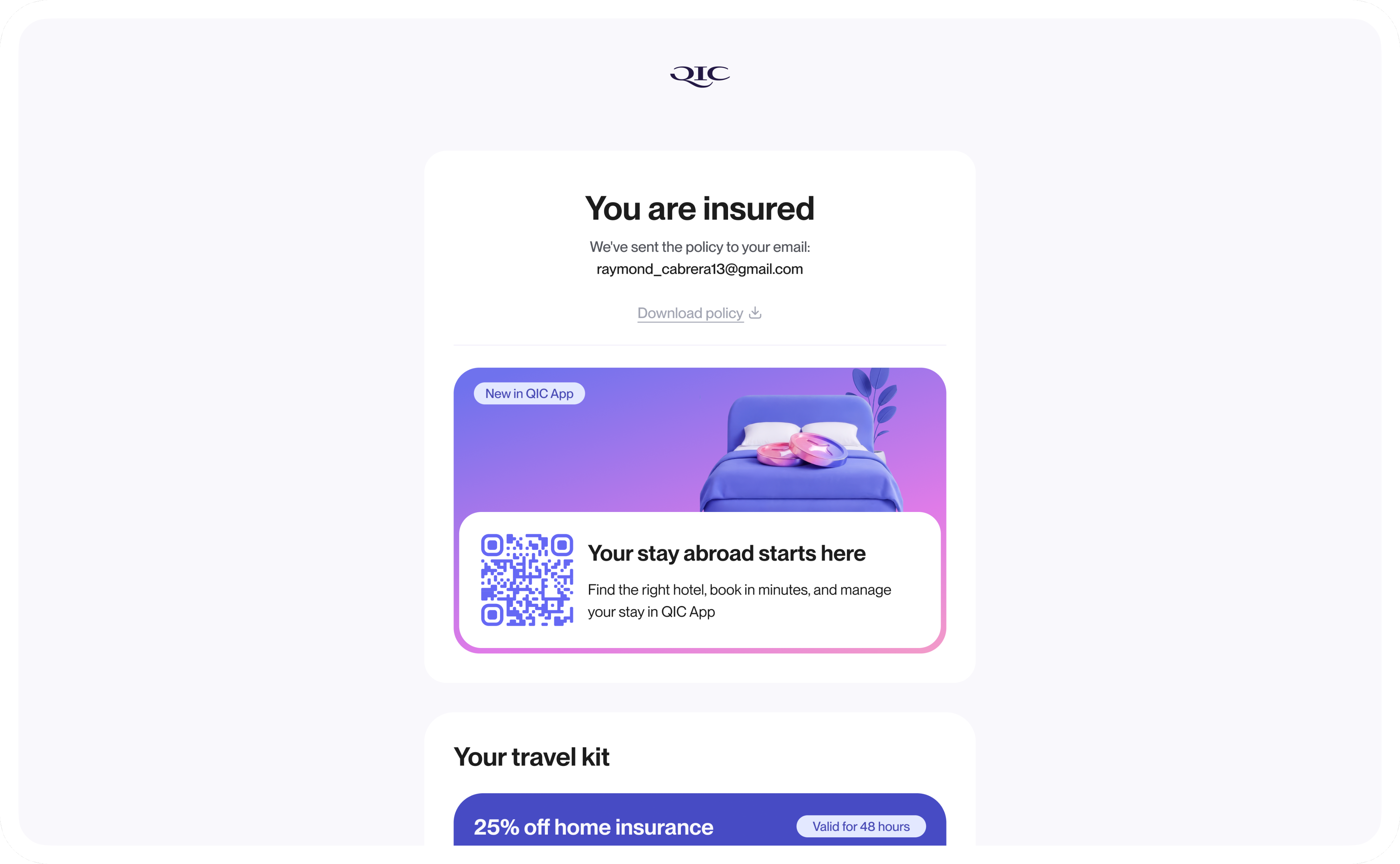
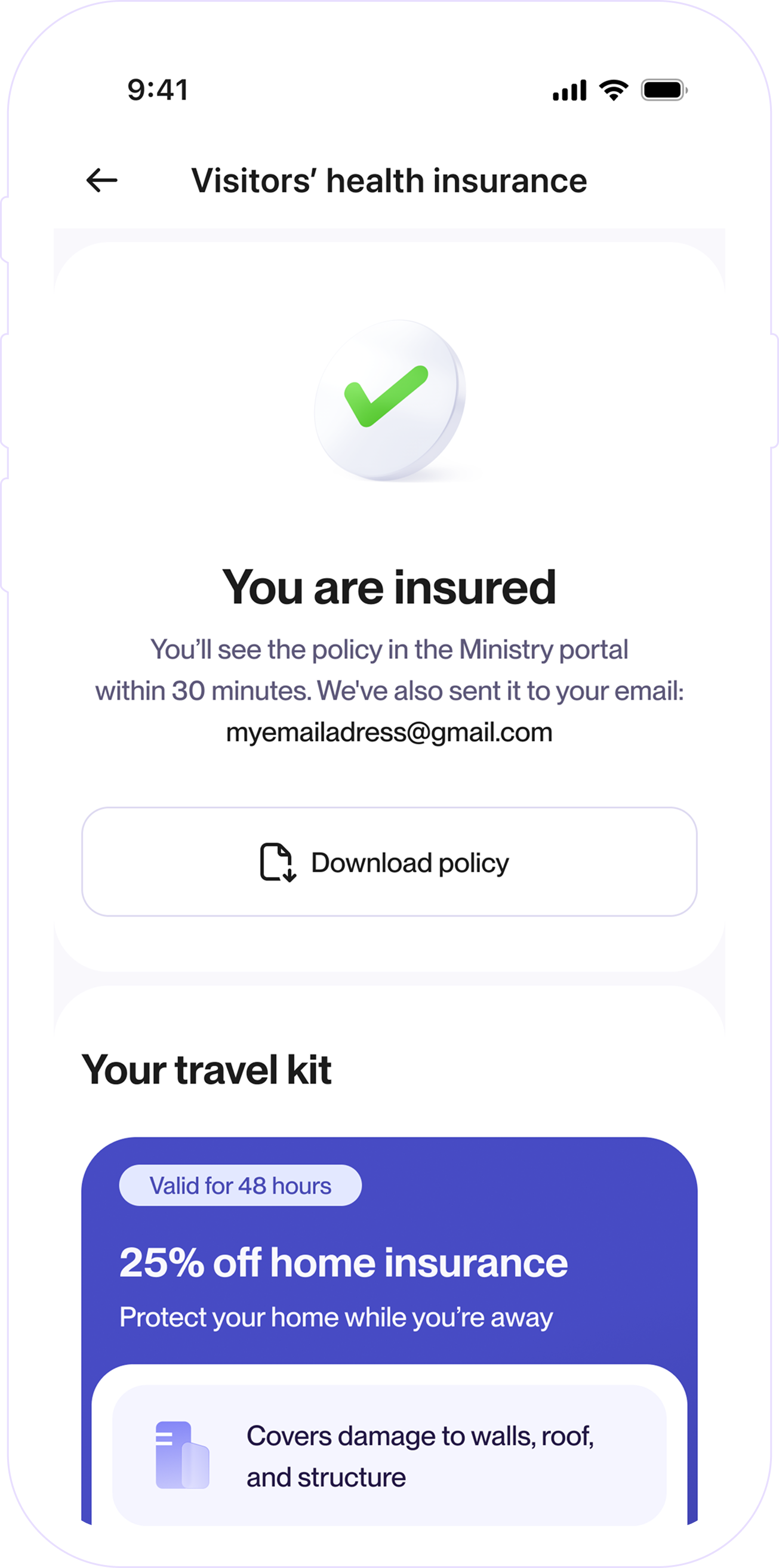 Relevant moment,
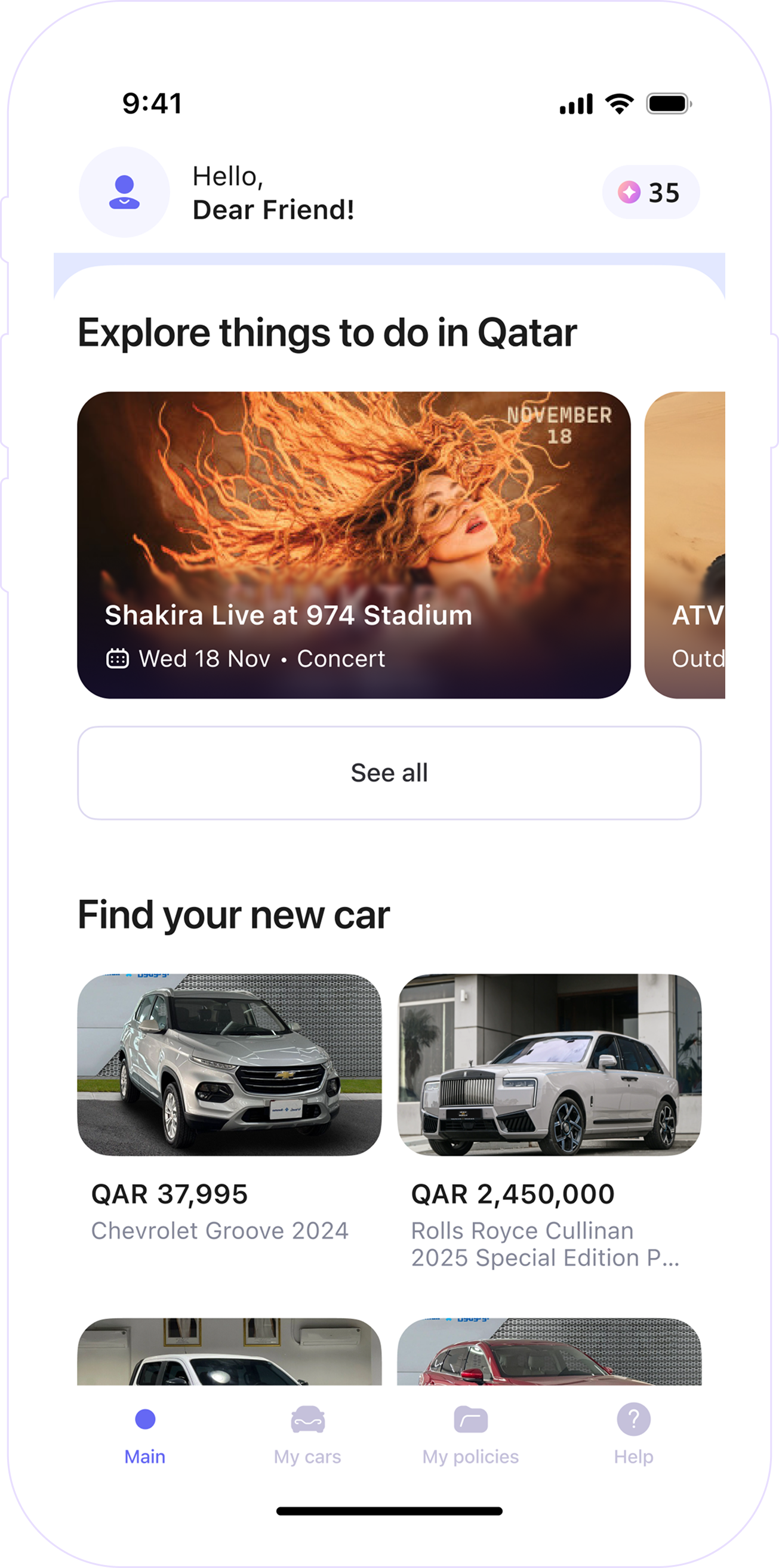
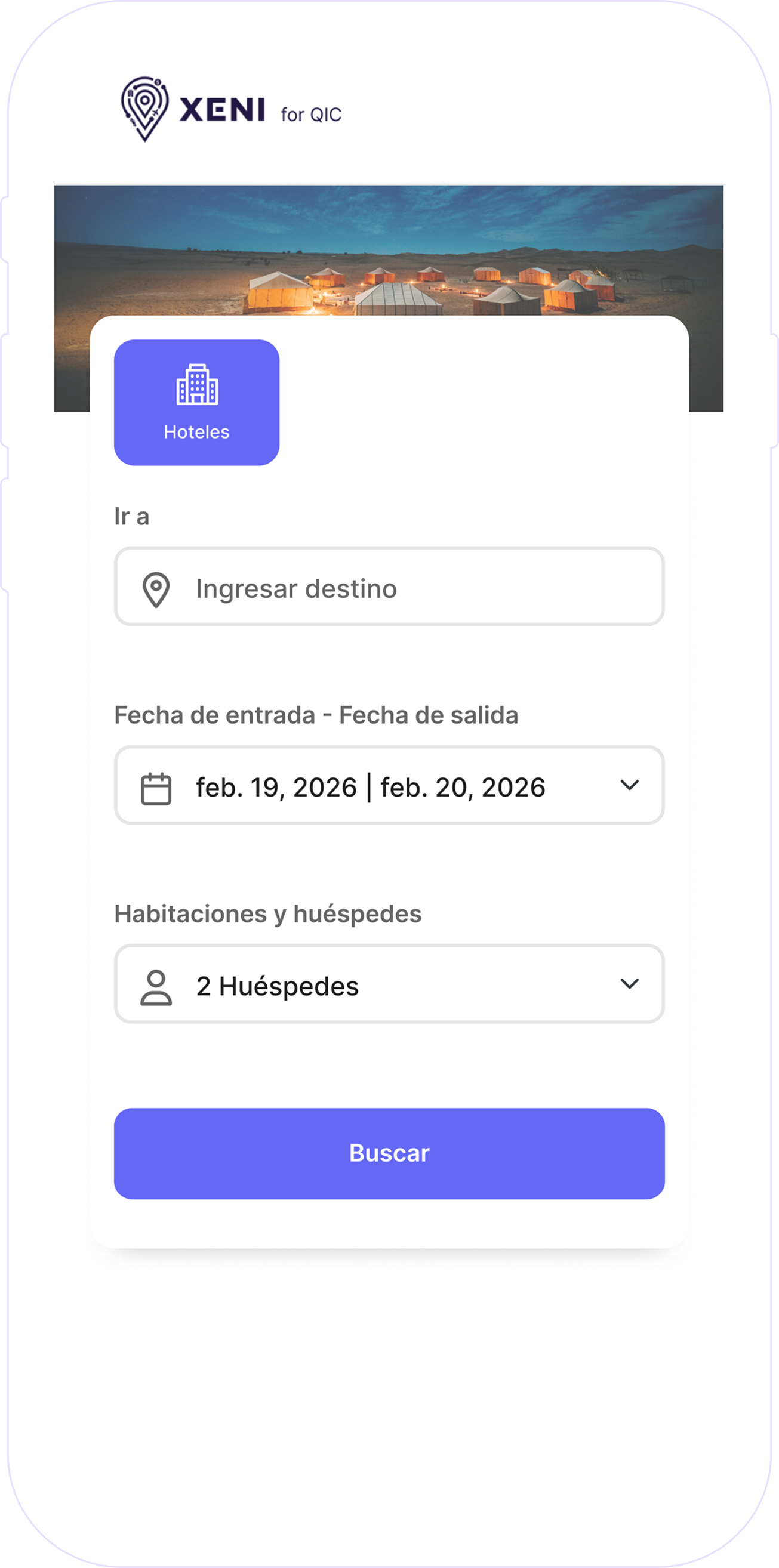
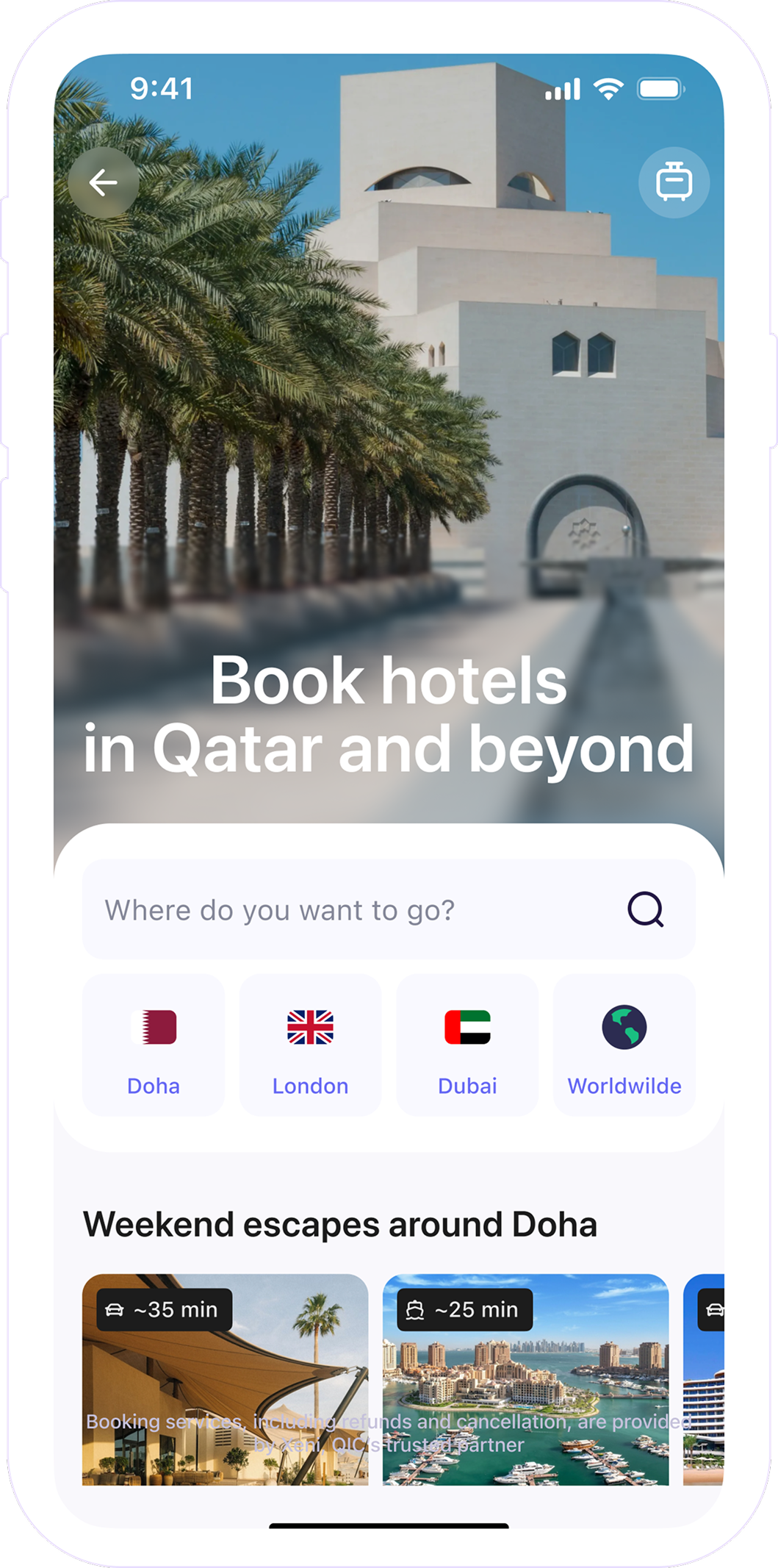
A clear destination carries customers from ecosystem-level discovery into focused evaluation and conversion.
The shared system lets teams integrate products consistently across native apps, web, webviews, no-code and partner services.
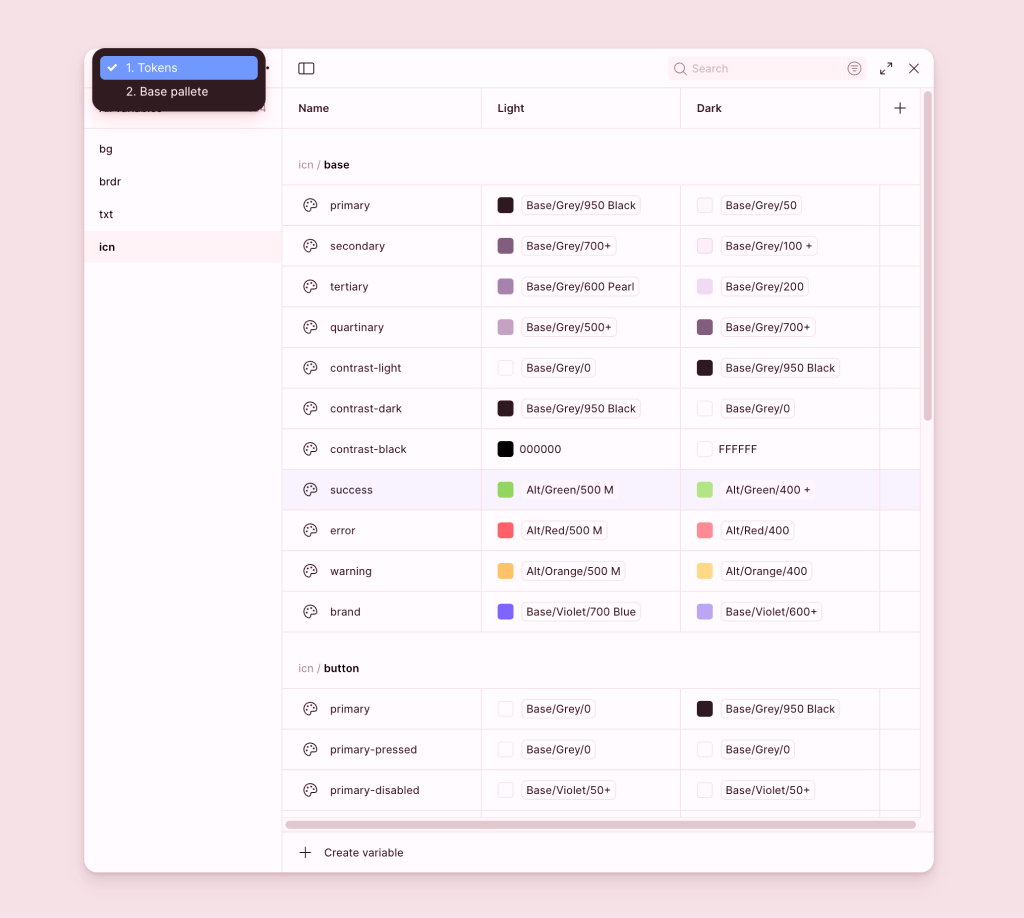
One source of truth across all platforms
Reusable across app, web, webview, no-code
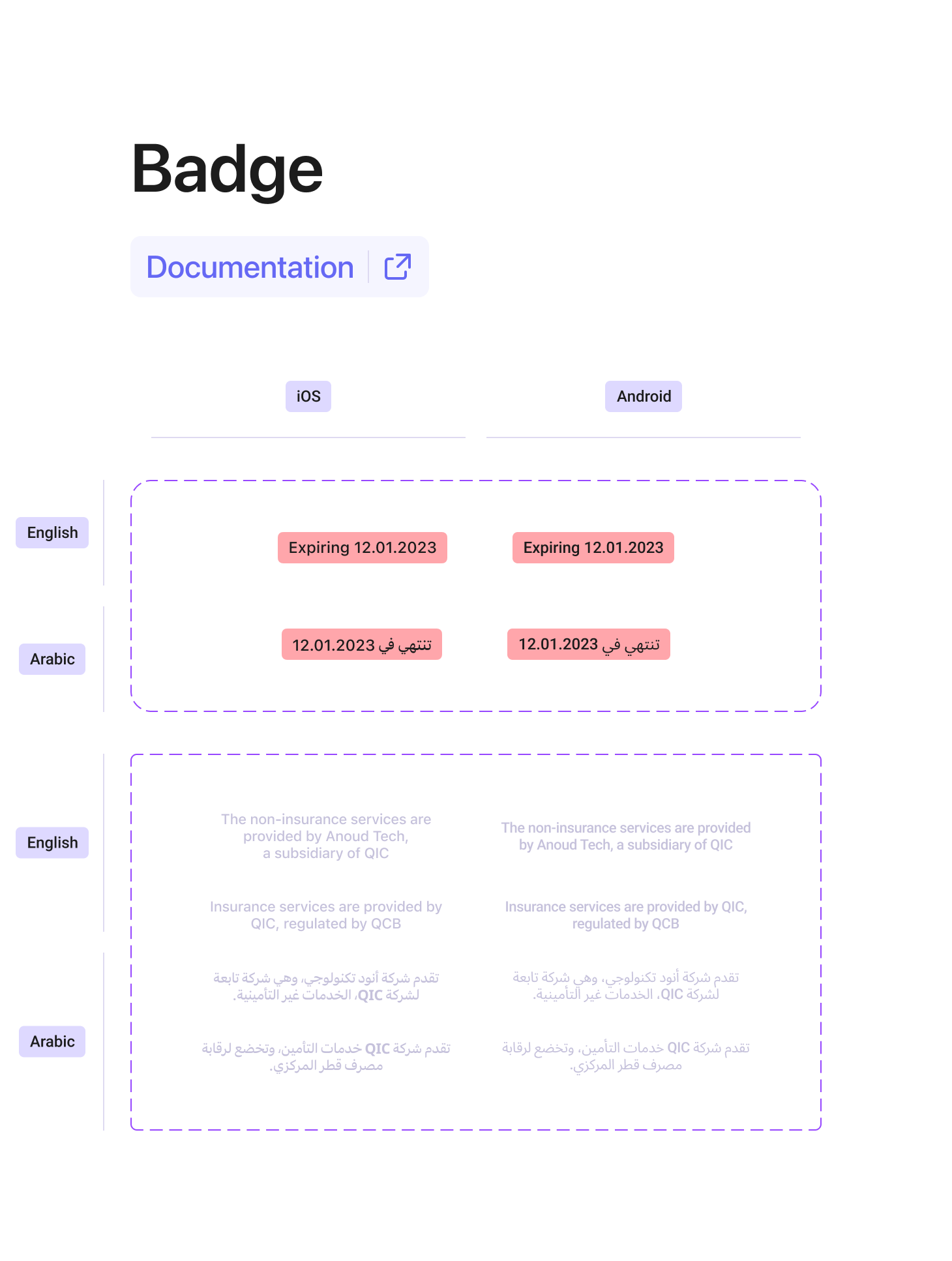
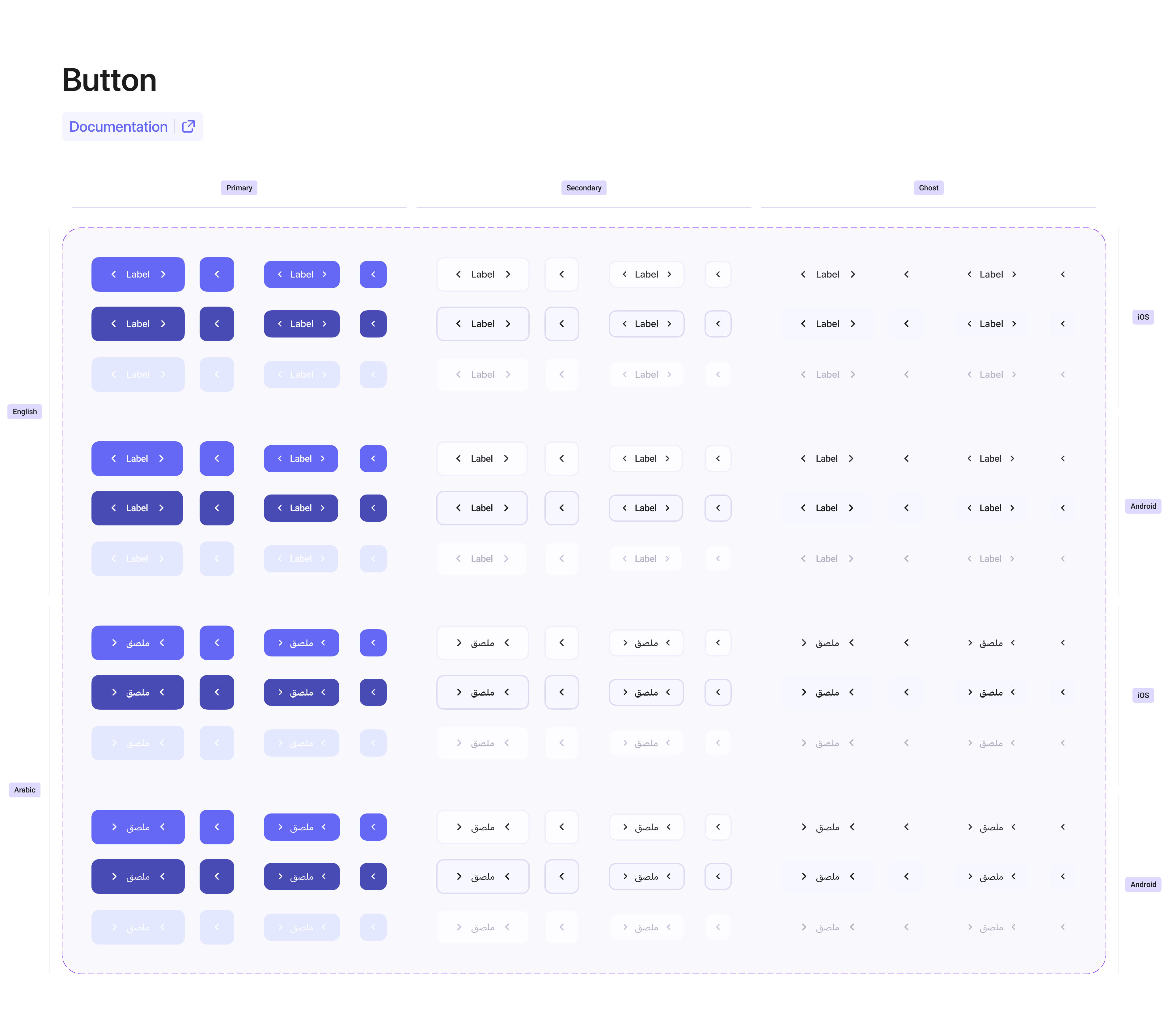
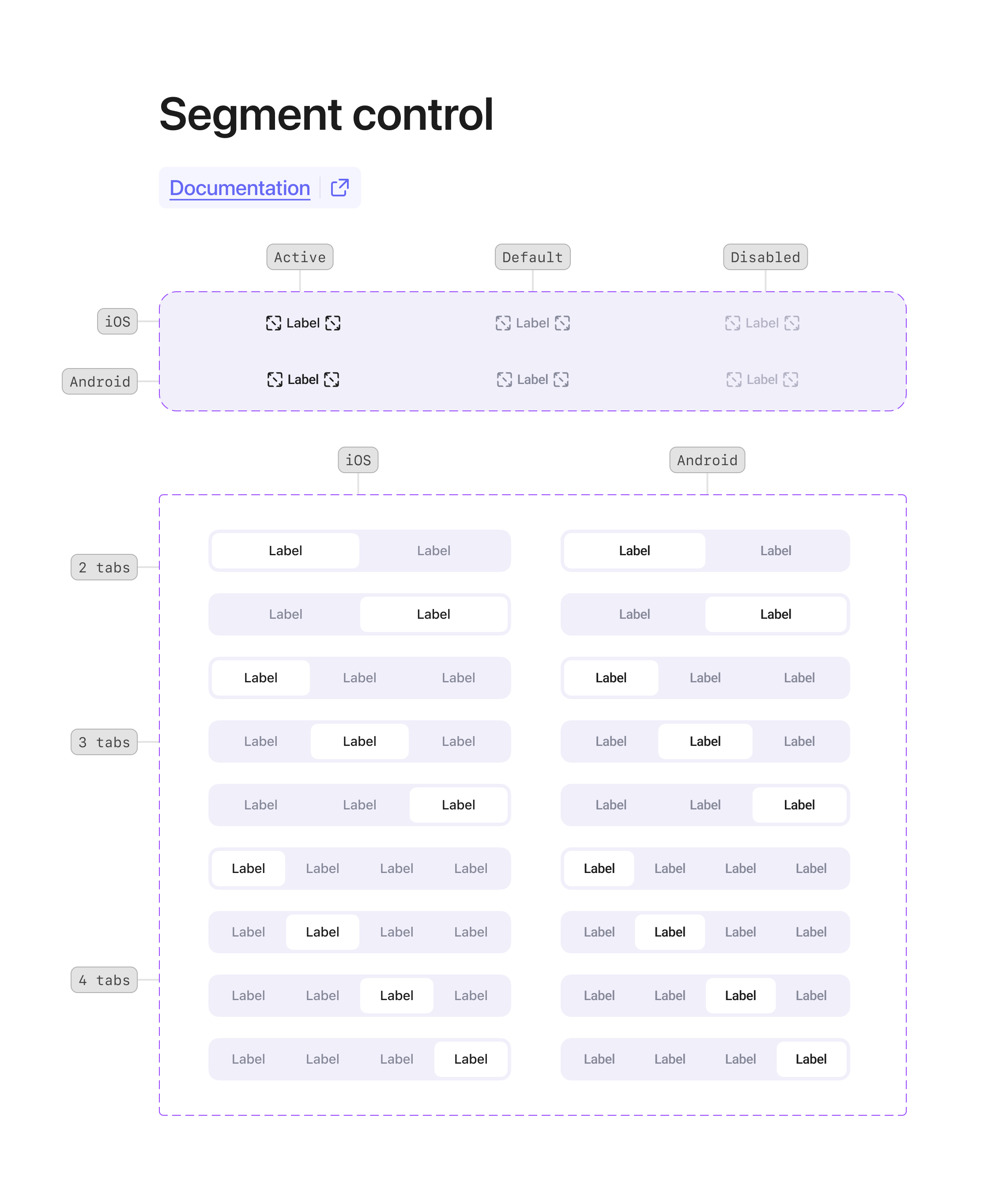
Consistent behavior across recurring journeys
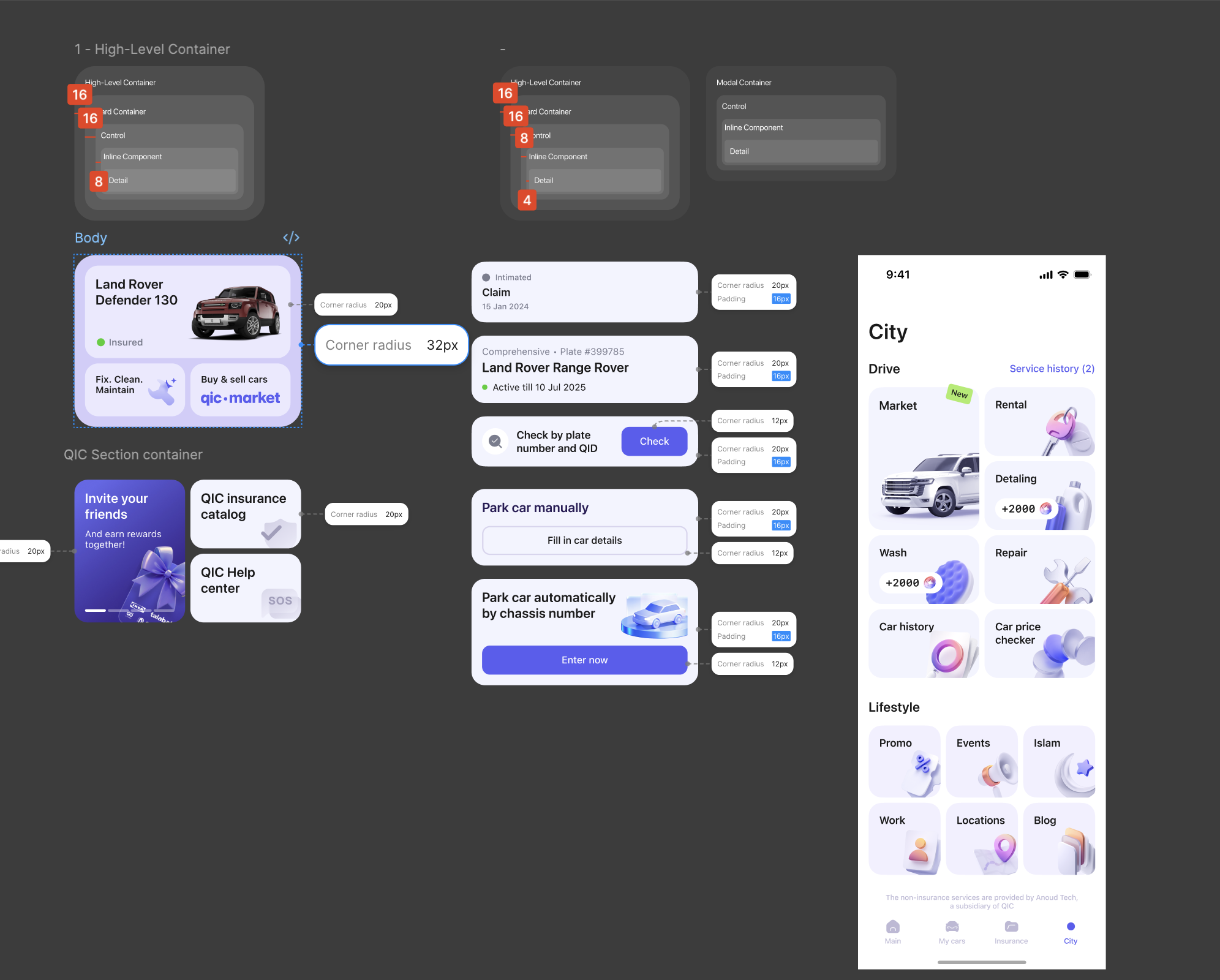
The design system defined a composable integration process. The second partner integration—Xeni—was materially easier and faster after the update.
conversion into Market after the home redesign
conversion into add-on car services after navigation improvements
fewer complaints about finding claims
The organization also gained a repeatable way to add services while keeping the customer experience consistent across the portfolio.
I shaped the ecosystem design strategy, experience principles and iteration roadmap; directed research and concept development; aligned product, brand and delivery teams; and established the system that connected current and future services.