Banking for
business,
on the go
A mobile app that helps small and medium-sized businesses manage everyday financial tasks from anywhere.
Explore the case ↓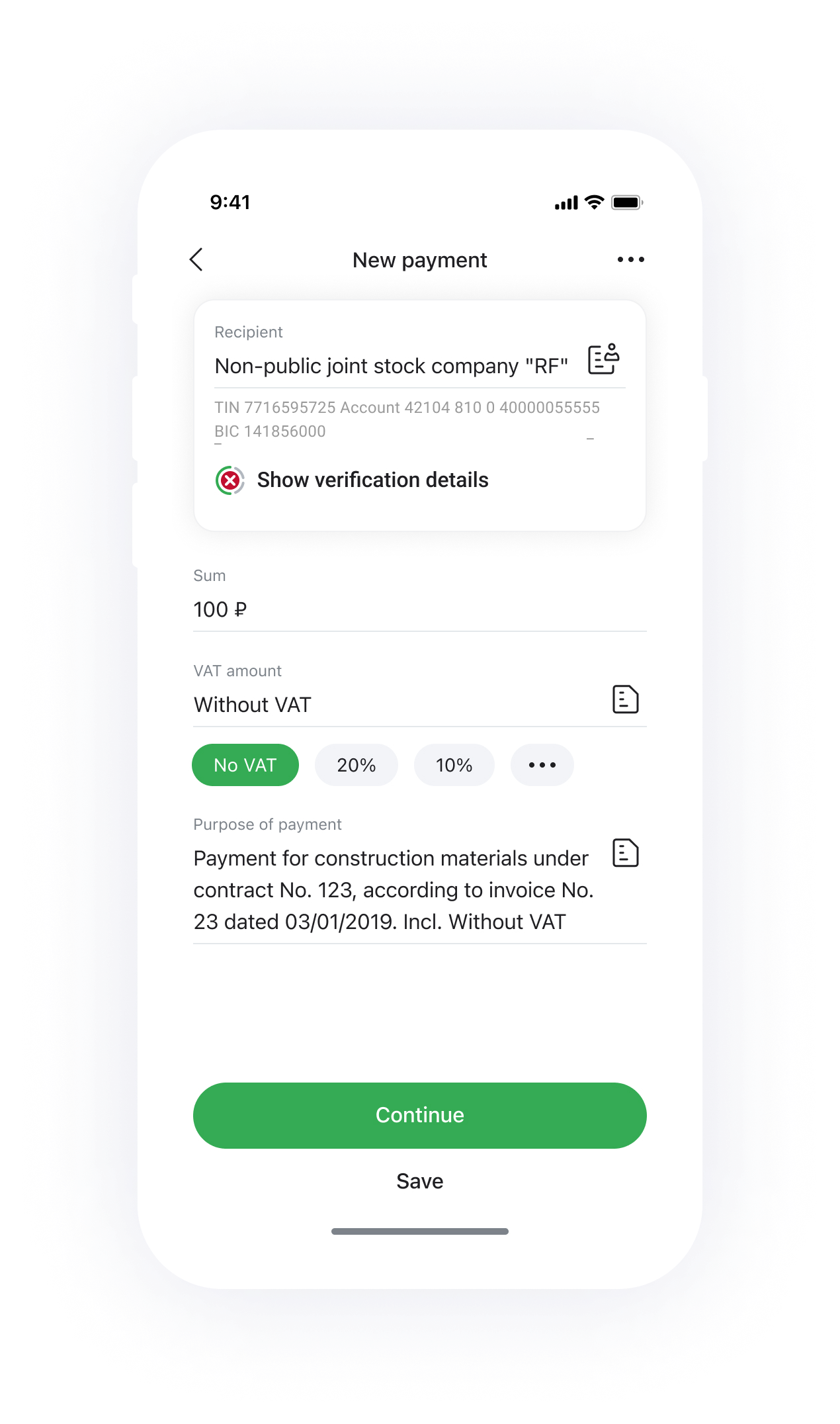
Everyday business documents, made mobile
For entrepreneurs, a bank is more than an account balance. Payments, invoices and conversations with counterparties all need to move at the pace of the business.
The work focused on three high-frequency flows: creating a payment order, issuing an invoice and turning a conversation into an action.
Make the most common task feel effortless
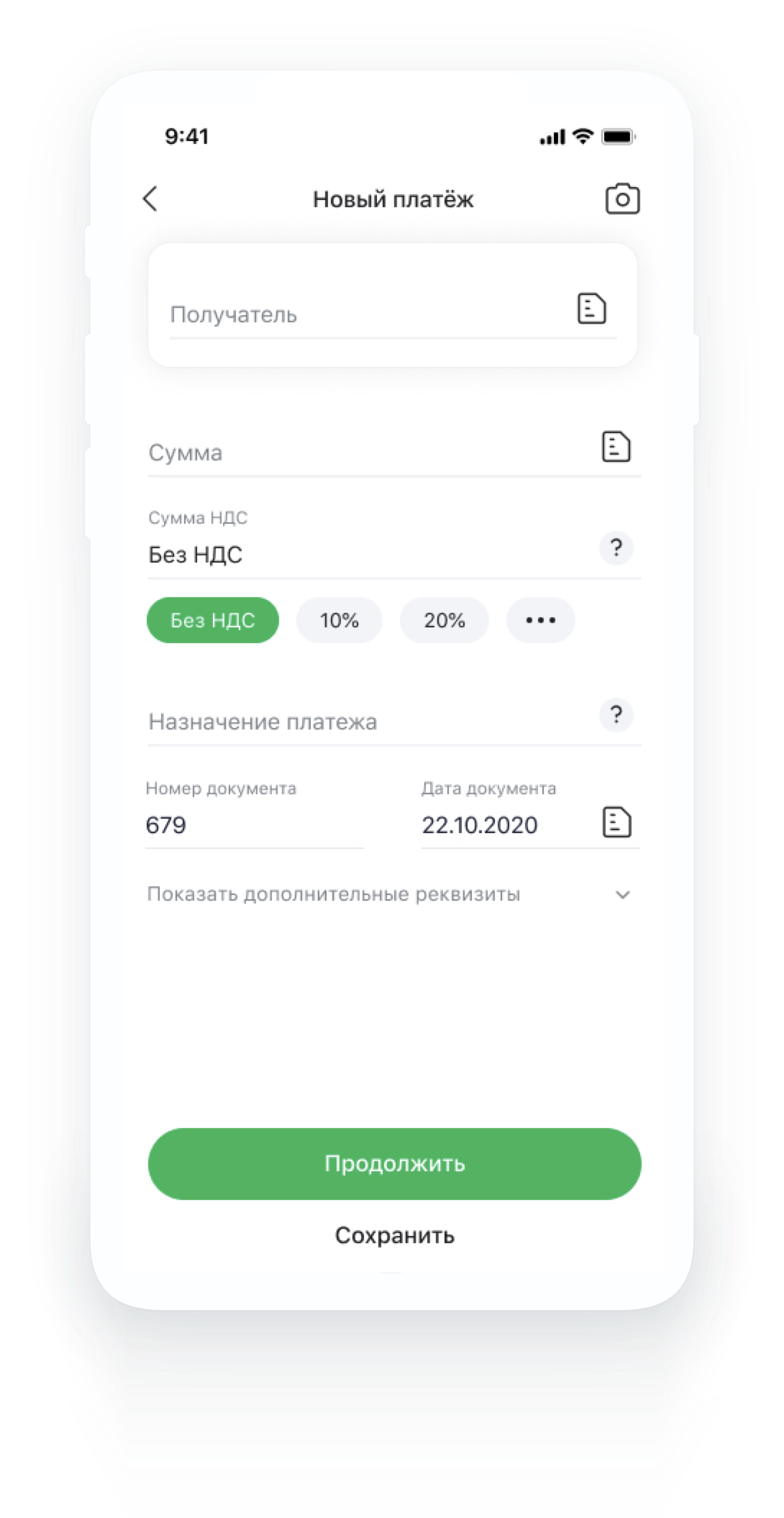
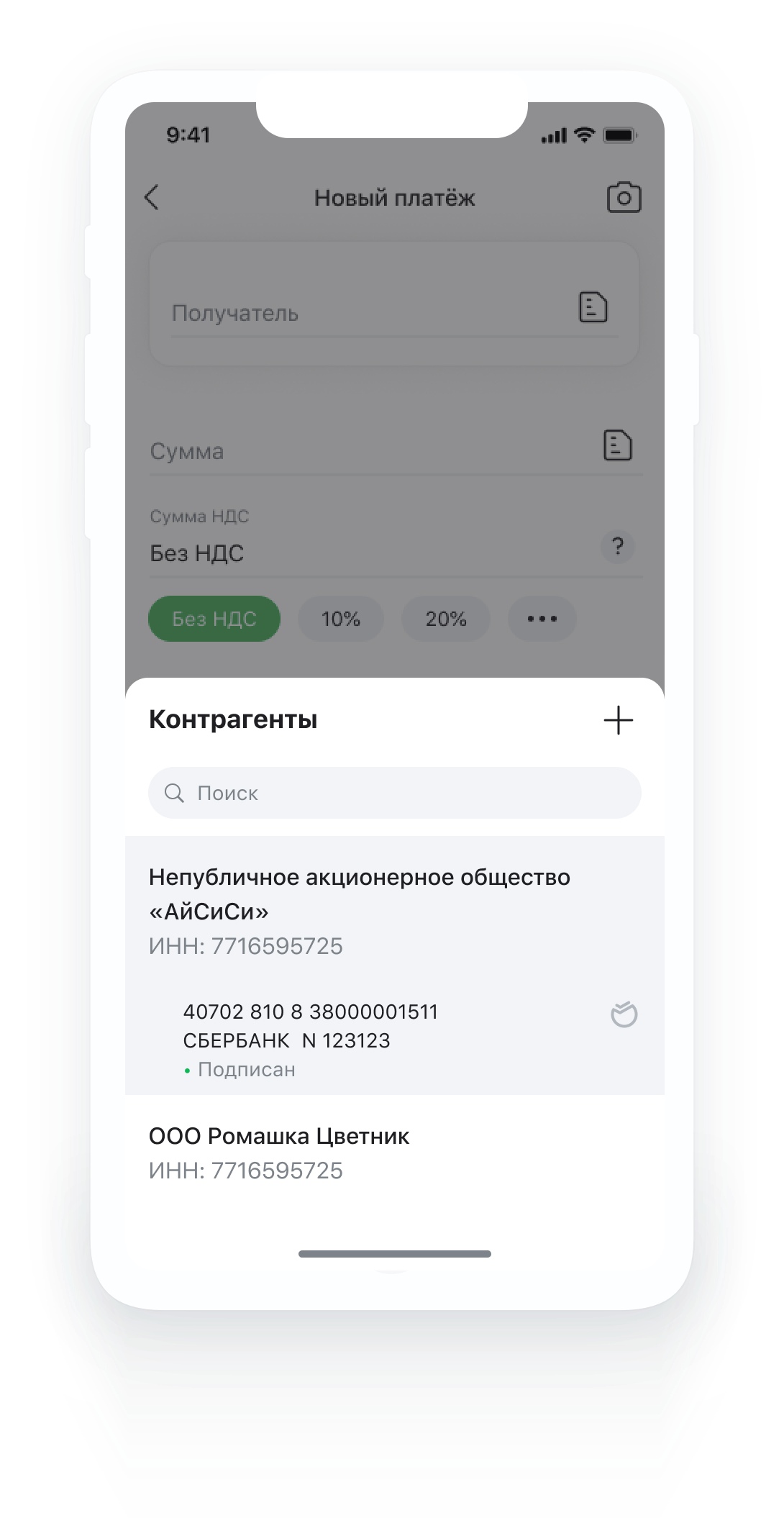
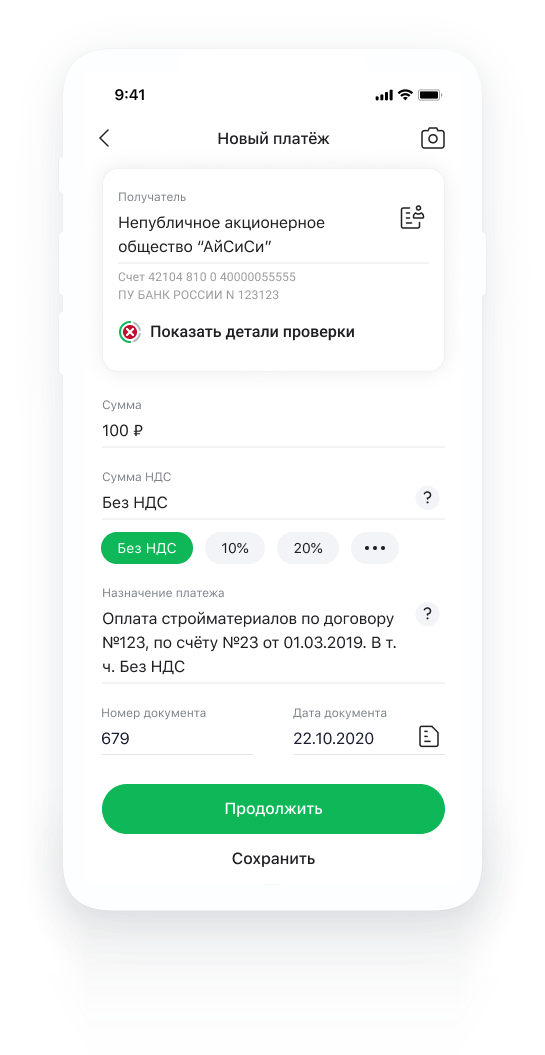
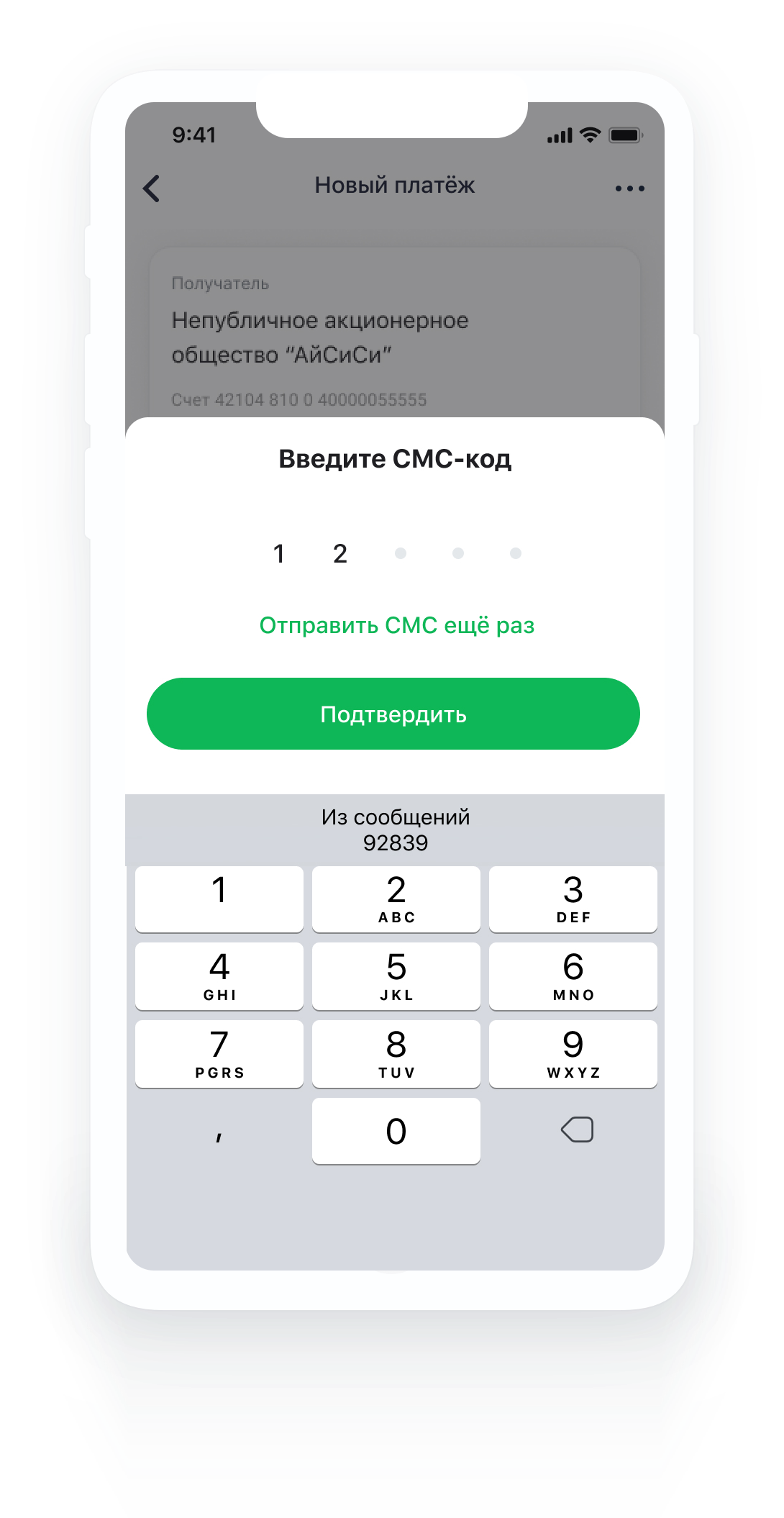
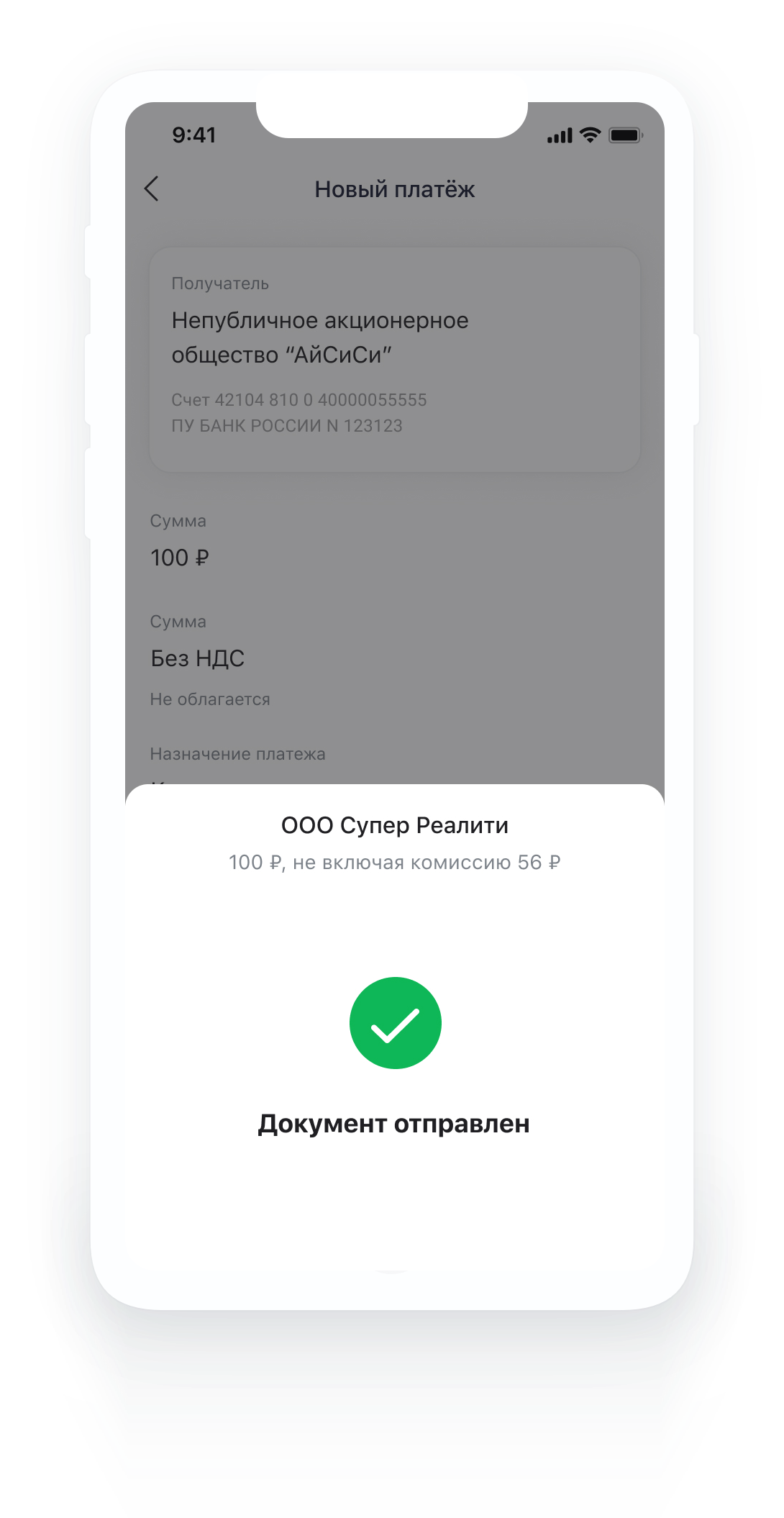
A payment order is the entrepreneur’s core banking document. The redesigned flow reduces manual input, reuses known details and makes verification visible before the payment is sent.
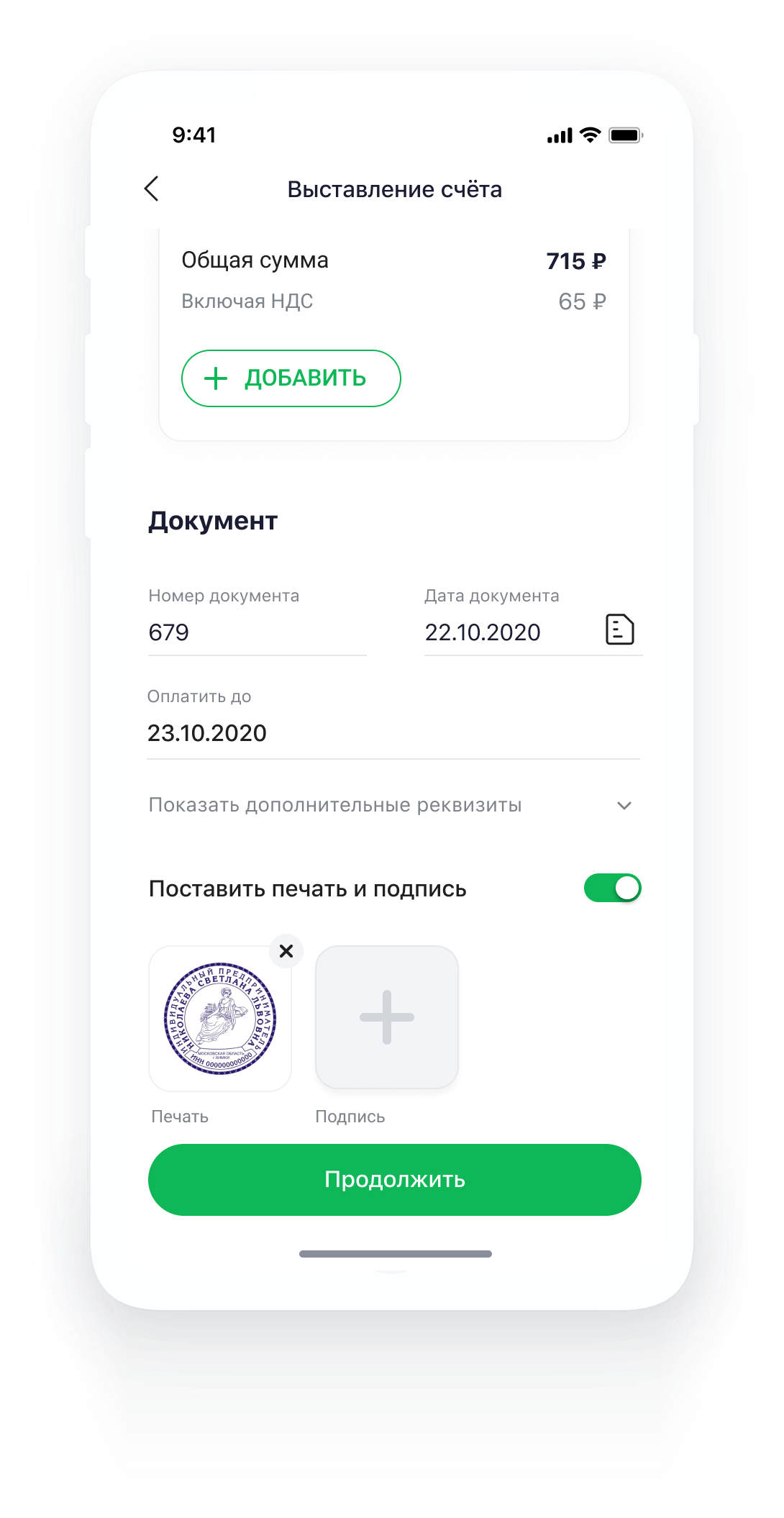
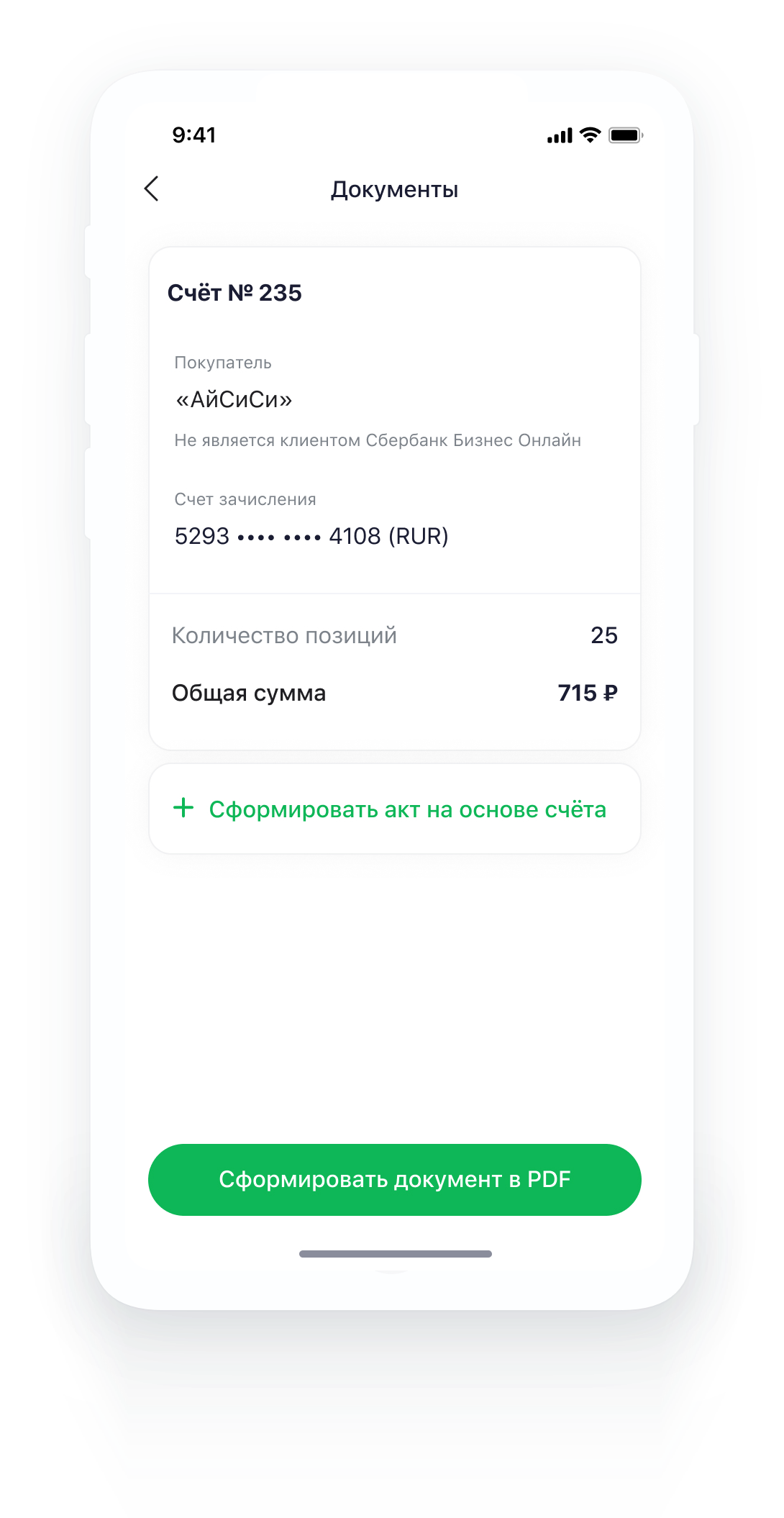
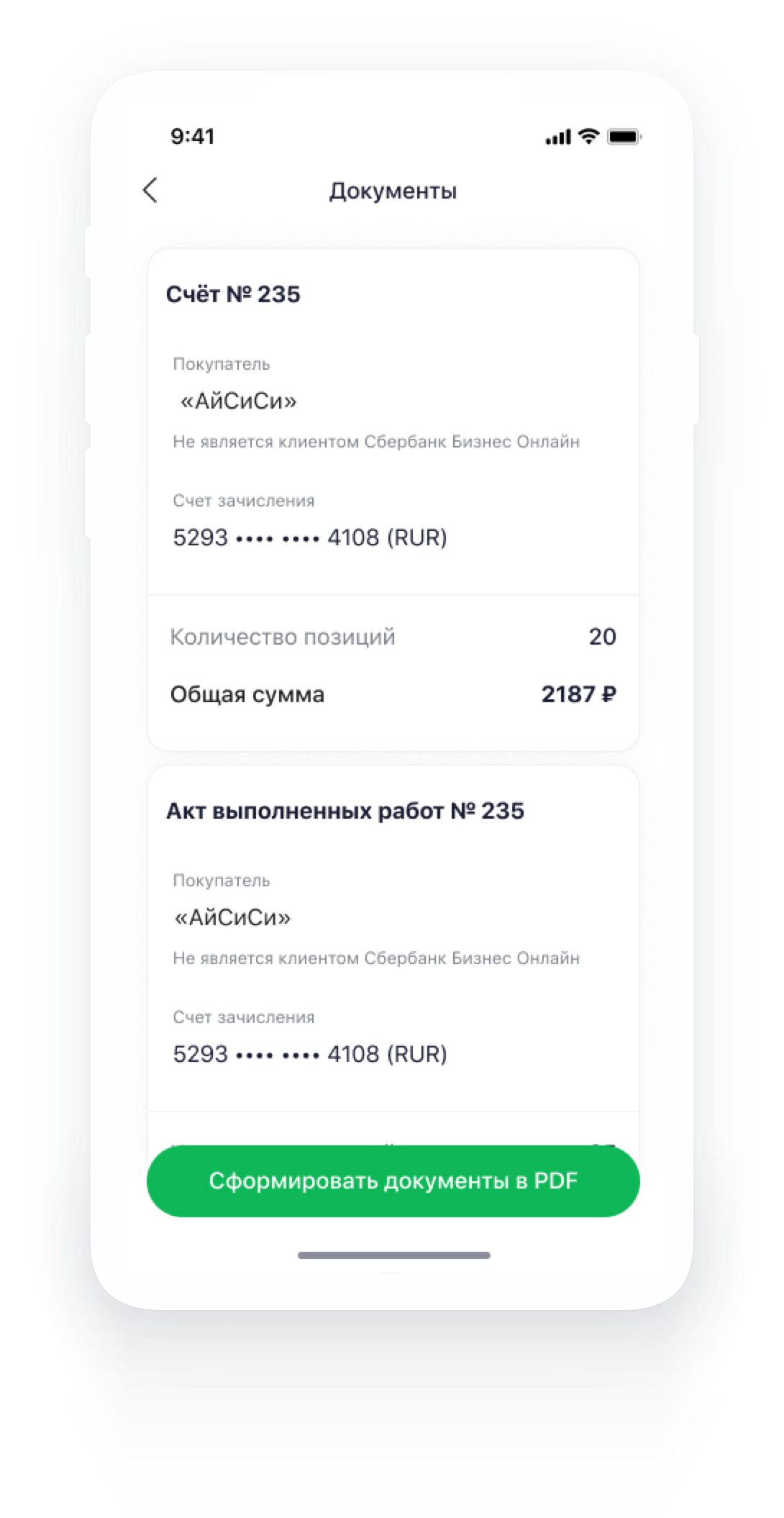
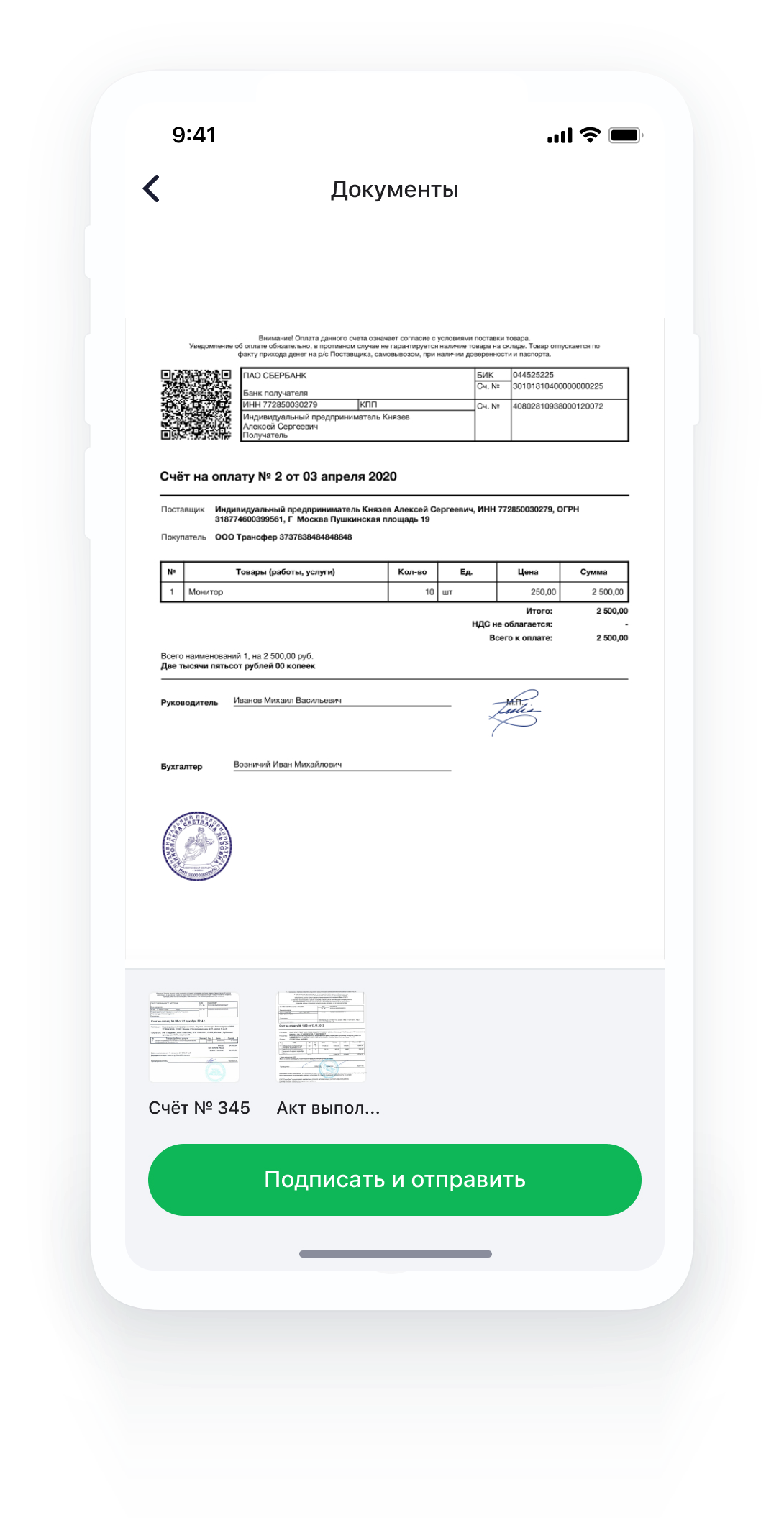
From invoice to signed documents in one flow
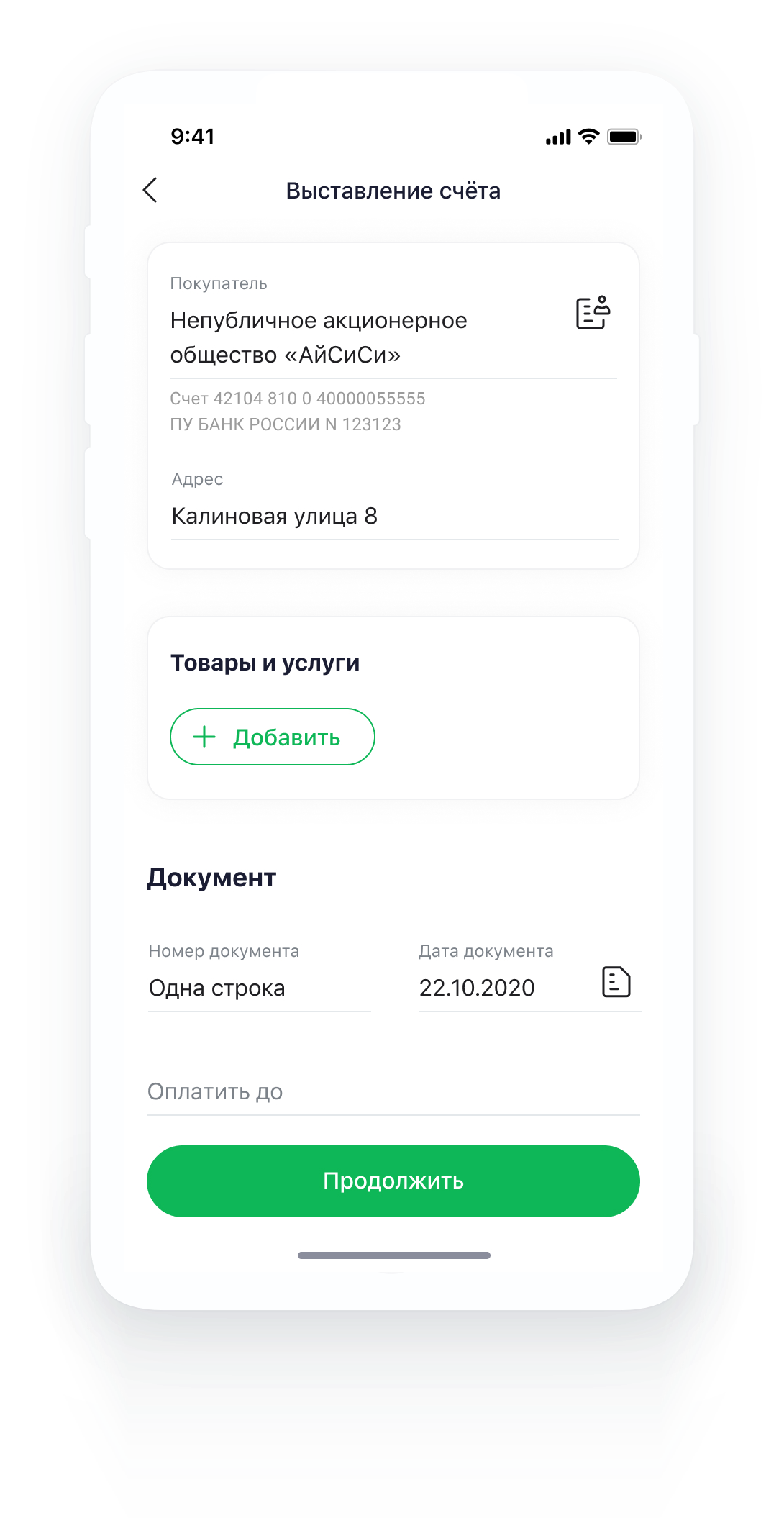
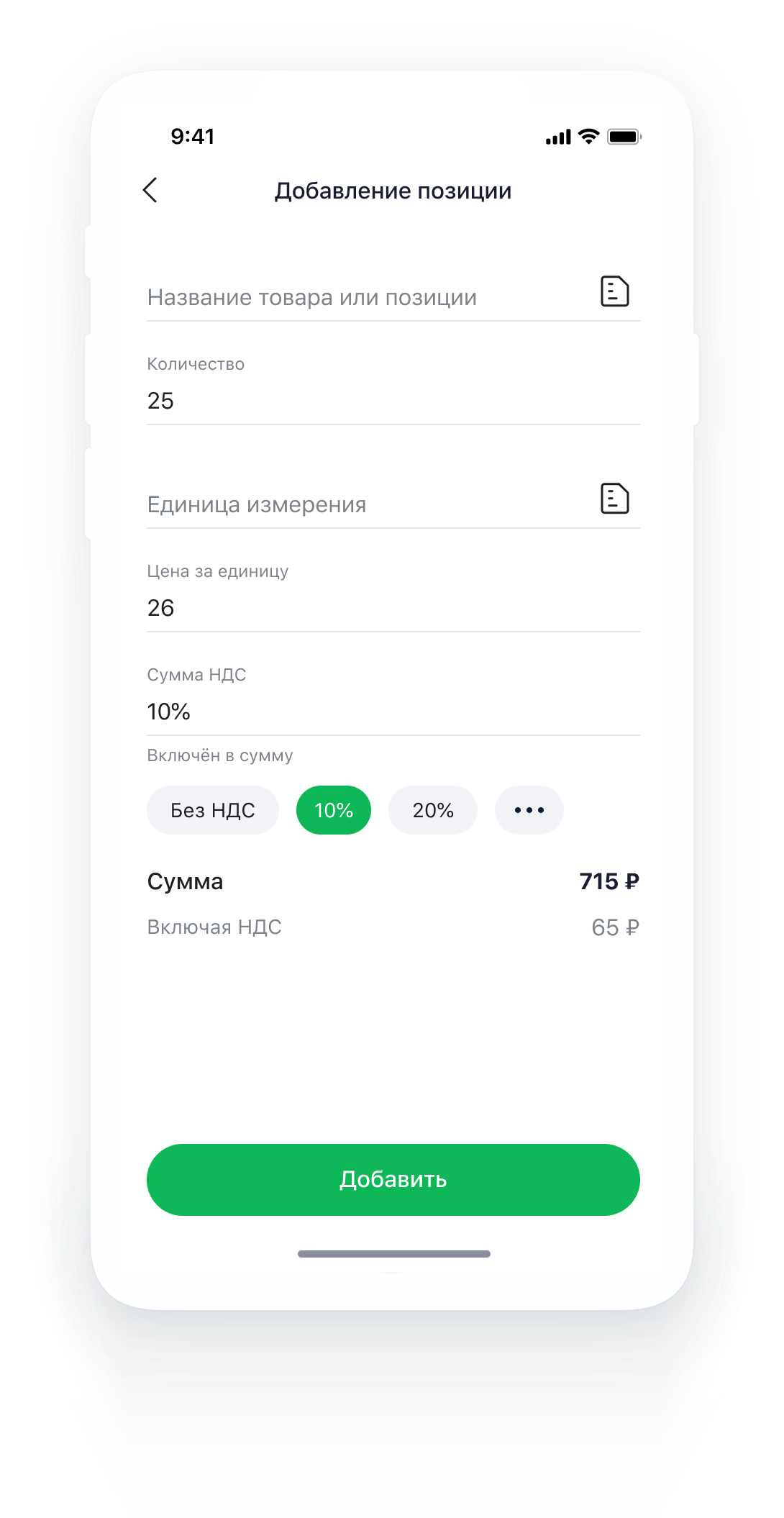
The form follows the order in which information is actually used. Entrepreneurs can add products and services, attach a stamp and signature, and create a certificate of completed works from the same invoice.
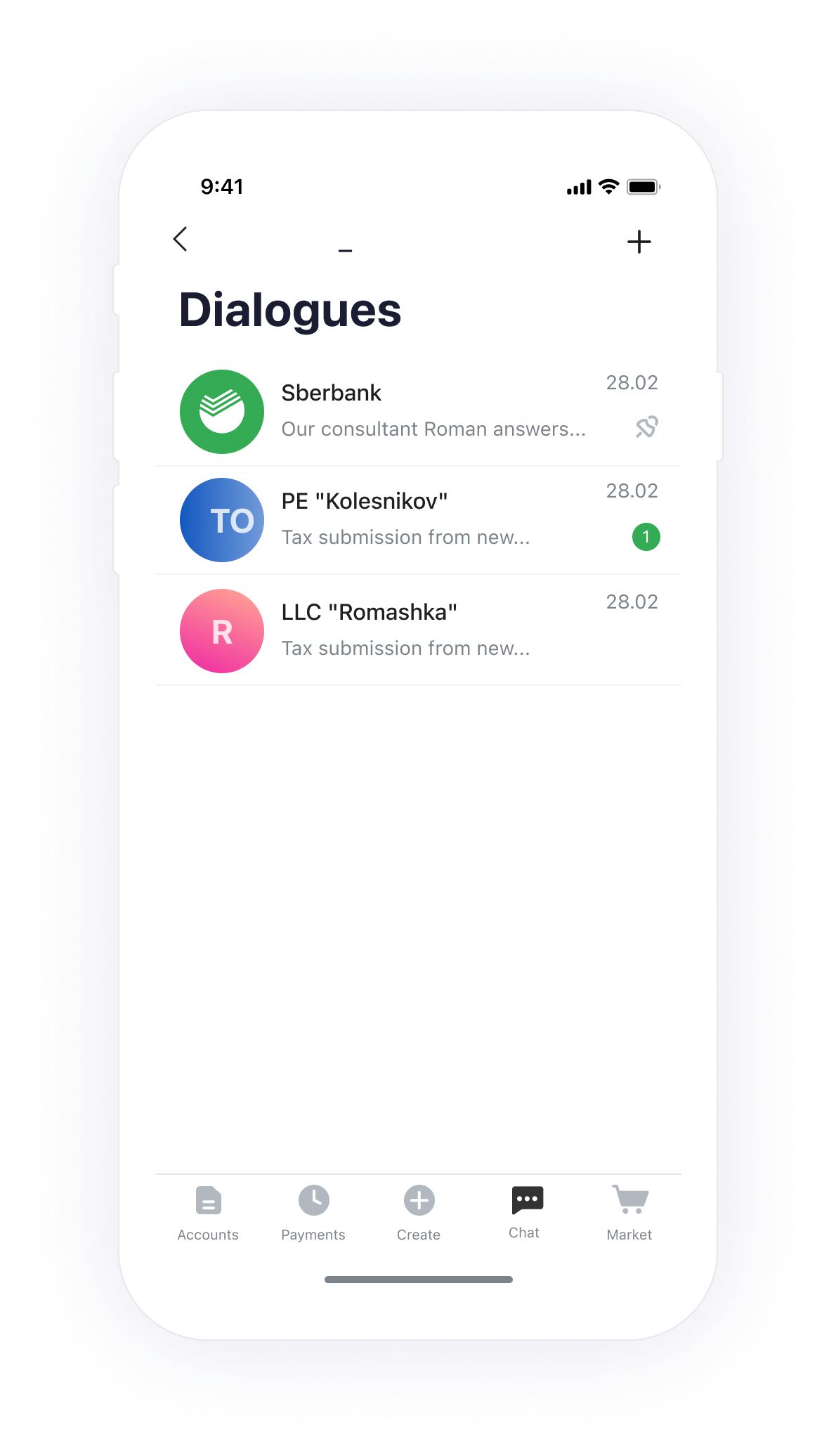
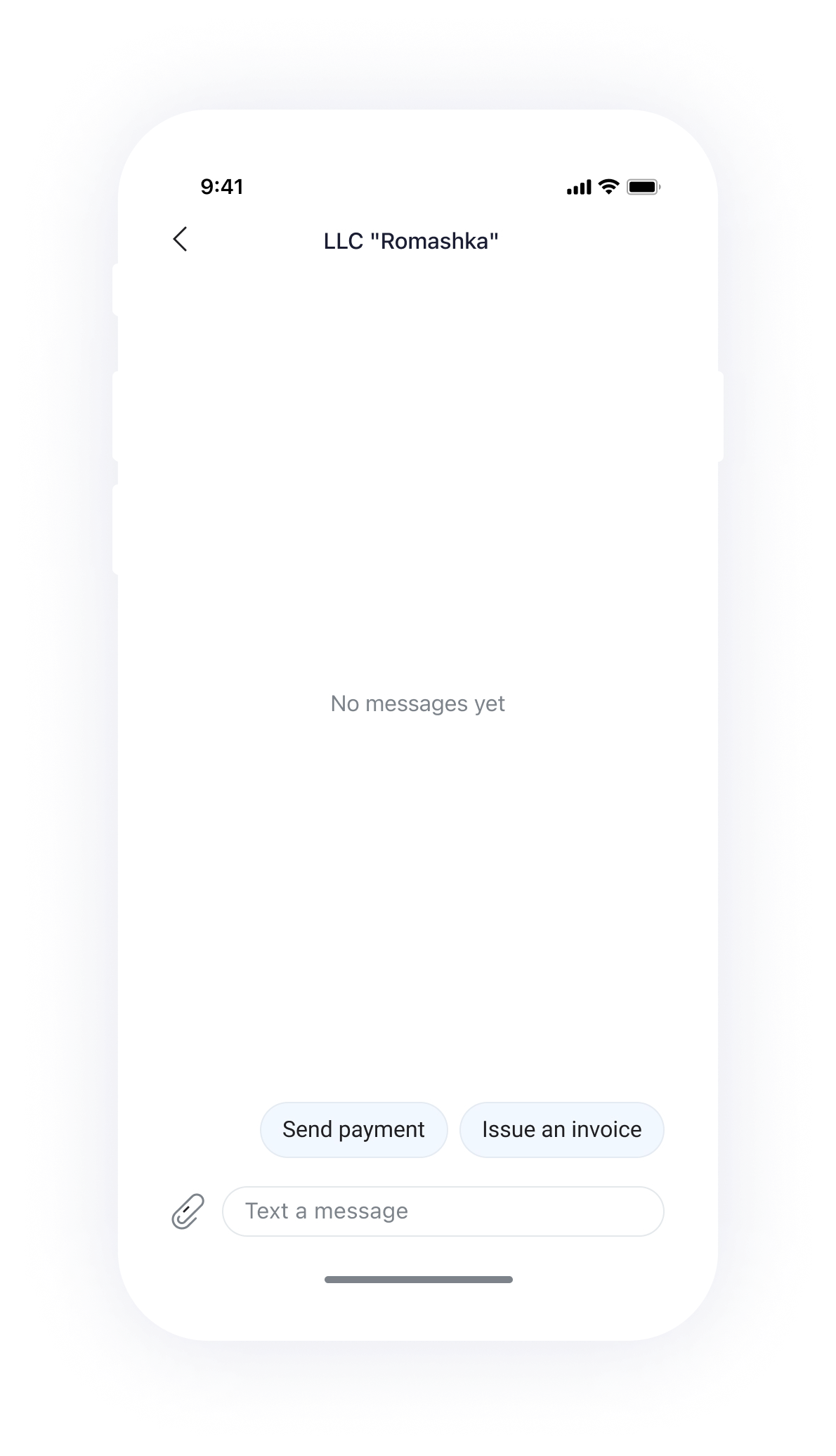
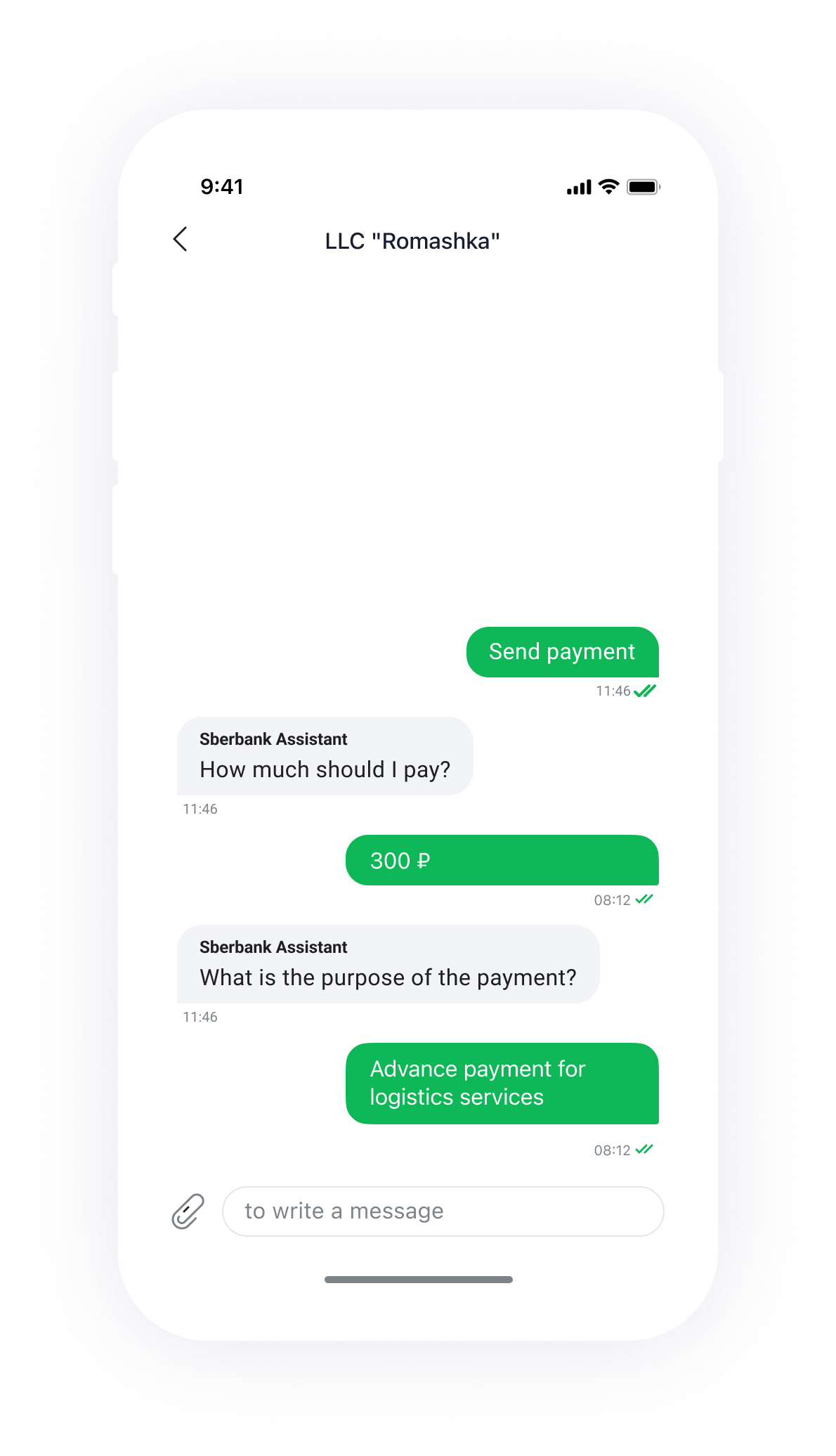
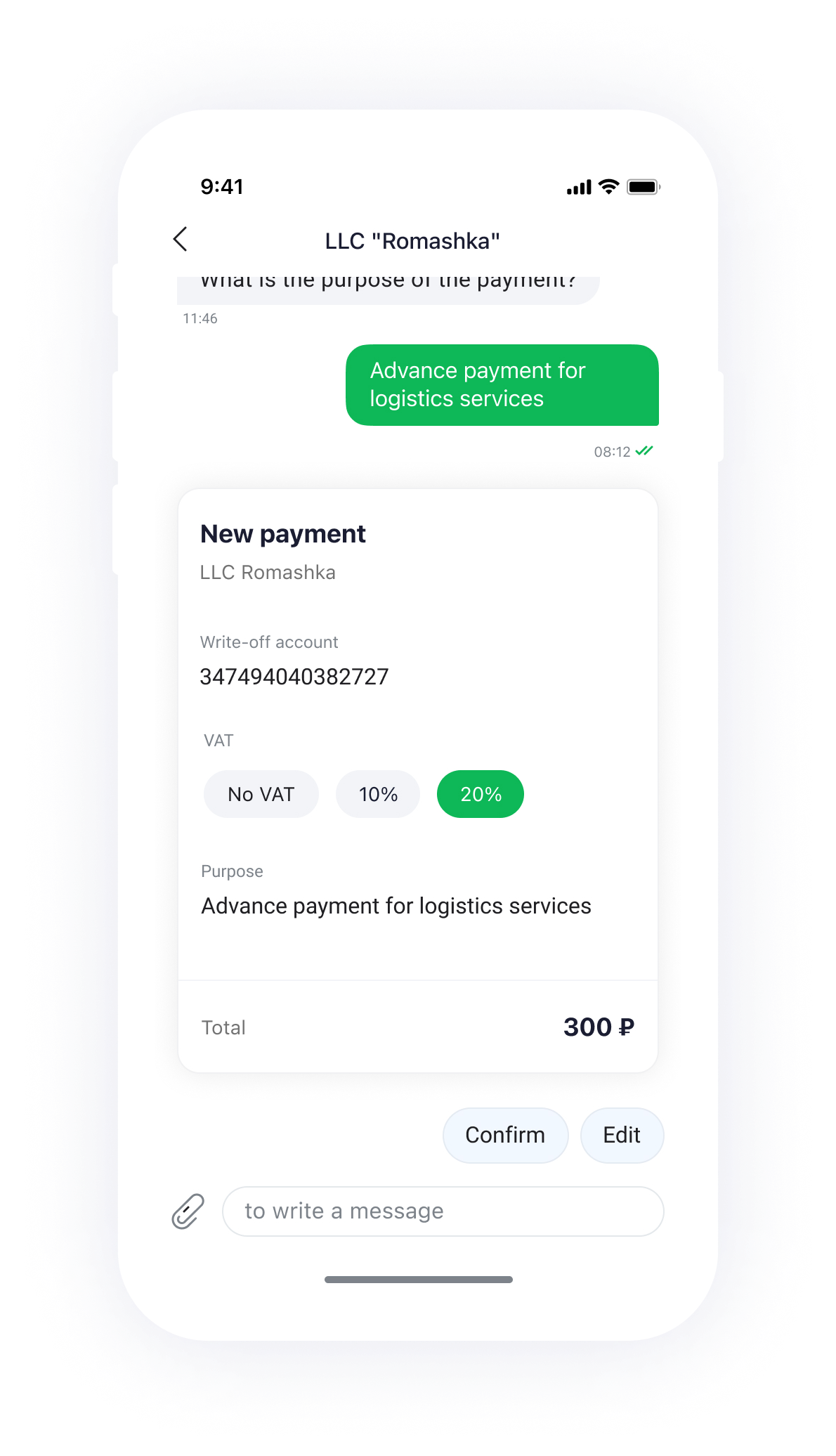
Turn a conversation into a payment
Inside a counterparty chat, both parties’ payment details are already known. The assistant collects only the missing information, prepares the document and keeps the task in one channel.
Built around what the bank already knows
The three flows use the same principle: start with information the bank already has, ask only for what is missing, and keep confirmation close to the action.